Why Are Your Family Memories Still Scattered When One App Can Weave Them Together?
Think back to the last time you tried to find a photo of your child’s first day of school—or a video of your parents’ anniversary toast. How many devices, folders, or chats did you search? What if all those precious moments could live in one place, growing quietly with your family, year after year? I used to lose these memories too—until I found a simpler way. It wasn’t a miracle, just a smart little shift in how we use technology. Now, when my son asks to see the day we got our dog, I don’t spend ten minutes scrolling through old messages. I tap once, and there it is—laughing in the driveway, muddy paws and all. That kind of ease? It changes how we connect. And honestly, it’s given me something I didn’t know I was missing: peace of mind.
The Messy Reality of Modern Family Memories
We live in a golden age of capturing life. Almost every moment can be photographed, recorded, or shared in an instant. But here’s the irony: the more we save, the harder it is to find what truly matters. I remember sitting on the couch one rainy Sunday, trying to show my daughter a video from her third birthday. I knew it existed—she was blowing out candles, covered in frosting, giggling as our dog tried to lick the cake off her fingers. But where was it? Was it on my phone? My husband’s? Did I send it in a text? Or was it buried in a cloud folder labeled “Videos_2020_Backup”? After 20 minutes of searching, I gave up. She lost interest. The moment was gone—not because it wasn’t recorded, but because it was lost in the noise.
This isn’t just my story. Most families today are drowning in digital photos and videos, yet starving for meaningful connection to their past. We take hundreds of pictures a month—of school plays, weekend hikes, holiday meals, quiet mornings with coffee. But without a system, they scatter like leaves in the wind. They end up trapped in WhatsApp threads, locked in old phones, or forgotten in folders with names like “Misc_Photos_July.” And over time, we stop looking. We assume the memories are safe somewhere, but when we want to feel close to a moment, we can’t reach it. That distance isn’t just frustrating—it’s emotional. We’re not just losing files. We’re losing feelings.
What makes this even harder is that our devices aren’t designed to work together. Your phone saves photos one way. Your partner’s tablet another. Your kids’ tablets have their own accounts. And when someone changes devices or loses a phone, entire chapters of family history can vanish. I’ve seen friends cry after losing years of memories in a broken phone. No backup. No warning. Just gone. And while tech companies sell us more storage and faster devices, they rarely help us actually *use* those memories in a way that feels personal or warm. That’s the gap—between capturing and cherishing.
How Technology Can Quietly Preserve What Matters Most
But what if technology could do more than just store? What if it could understand your family, learn your rhythms, and quietly bring your memories forward when they matter most? That’s exactly what a new wave of family-focused apps is starting to do. These aren’t flashy social media platforms or complicated cloud systems. They’re simple, intuitive tools designed to do one thing well: keep your family’s story together.
Imagine an app that automatically gathers photos from everyone in your family—your phone, your spouse’s, even your teenager’s—without you having to forward anything. It syncs in the background, labels moments by date and people, and creates a shared timeline you can all access. No more asking, “Did you get that shot?” or “Where did you save the vacation videos?” It’s all there, organized by life, not folders. When my mom visited last summer, we pulled up a timeline of our beach trips going back ten years. We didn’t search. We didn’t argue about whose phone had what. We just tapped, scrolled, and laughed. She saw my daughter grow from a toddler in floaties to a confident swimmer. It felt like time travel—warm, personal, and effortless.
These tools use smart features like facial recognition and location tagging, but they don’t feel invasive. They work quietly, like a thoughtful assistant who knows your family’s story. You don’t need to label every photo. The app learns that the little girl with curly hair is your daughter, that the man grilling at every summer party is your dad, that the golden retriever appears in most holiday photos. Over time, it builds a living album that grows with you. And because it’s private—no ads, no public feeds—you don’t have to worry about who sees what. It’s just for your family. That peace of mind is priceless.
Building a Living Archive: More Than Just Photos
Here’s what I love most: these apps don’t just store images. They let you add voice notes, captions, and milestones, turning a simple photo into a full story. Last month, my son brought home a messy, colorful drawing from kindergarten. It was of our house, with four stick figures and a very large sun. I snapped a photo and uploaded it. Then, I recorded his voice as he explained it: “This is me, and this is Mommy, and this is Daddy sleeping, and this is the dog who eats my socks.” I saved it with the date and a caption: “First home drawing, age 5.”
Now, that moment isn’t just a picture. It’s alive. Years from now, when he’s a teenager or even a grown man, he can press play and hear his own little voice, full of pride and giggles. He’ll remember how he thought Dad was always sleeping. He’ll smile. And maybe he’ll share it with his own kids one day. That’s not just memory keeping—that’s legacy building.
And it’s not about perfection. In fact, the imperfections are what make it real. The crooked drawings. The blurry videos. The moments where hair is messy and pajamas don’t match. These aren’t flaws—they’re authenticity. When we only save polished, filtered images, we lose the truth of our lives. But when we keep the real, unscripted moments, we give our children a gift: the understanding that they are loved, exactly as they are. That their ordinary days matter. That their voice, their laugh, their messy art—it’s all worth remembering.
Encouraging Kids to Document Their Own Growth
One of the most surprising benefits has been how involved my daughter has become in the process. We started letting her choose which moments she wants to “save for forever.” At first, it was silly things—her toast with a funny bite out of it, her stuffed animal “flying” off the bed. But over time, she began to think more deeply. “Can we save the day we planted the sunflowers?” she asked. “Because I want to see how tall they get next year.”
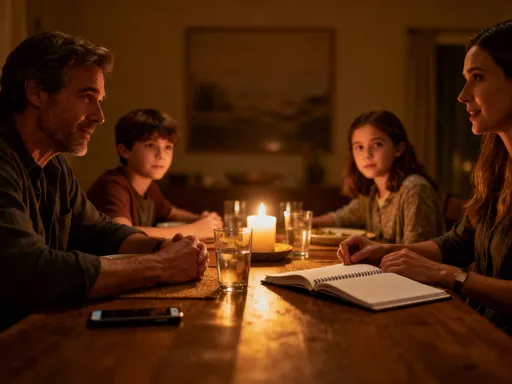
Now, it’s a ritual. Every Sunday night, we sit together and look back at the week. She picks her favorite moments, adds captions in her wobbly handwriting (which I photograph), and sometimes records a short voice note: “This is me on the swing. I went super high!” She even chooses themes for albums—“Best Hugs,” “Rainy Day Fun,” “Things That Made Me Laugh.” It’s simple, but it’s powerful. She’s not just a subject in our family story. She’s a storyteller.
And that changes something inside her. When kids see their experiences valued, they start to value themselves. They notice more. They reflect. They feel seen. I’ve watched my daughter grow more confident, more curious, more expressive—all because she knows her life is being noticed and remembered. She’s learning that her perspective matters. And that’s a lesson no textbook can teach. Technology didn’t create this. But it gave us a way to make it visible, tangible, and lasting.
Strengthening Bonds Across Generations
One of the most beautiful side effects has been how it’s brought my parents closer to my children. They live three hours away, so they don’t see daily milestones—the first loose tooth, the new haircut, the silly dance in the kitchen. Before, I’d try to share via text or email, but it was haphazard. Now, they’re part of our family memory app. They get automatic updates—photos and short videos—without needing to learn complicated tech. No passwords. No downloads. Just a simple link and a few taps.
Last week, my dad sent a voice message after seeing a clip of my son trying to ride his bike: “I saw you wobble, buddy, but you didn’t give up! That’s my boy.” My son played it five times. He grinned. He stood taller. That message didn’t just capture a moment—it strengthened a bond. My dad feels involved. My son feels loved. And I feel grateful that distance doesn’t have to mean disconnection.
And it’s not just for grandparents. Aunts, uncles, cousins—they can all be part of the circle, if you choose. But the key is simplicity. The best family tech doesn’t ask people to change how they live. It fits into their lives as they are. My mom isn’t tech-savvy, but she can tap a photo, leave a heart, or send a voice note. That’s all she needs. And in that small act, she’s saying, “I see you. I’m here. I love you.” That’s the real magic—not the app, but what it makes possible.
Fostering Innovation Through Everyday Storytelling
You might wonder: isn’t this just about nostalgia? Isn’t it just for keeping old photos? Actually, it’s much bigger than that. When children grow up in a home where stories are valued, where their experiences are recorded and reflected on, they develop skills that go far beyond memory keeping. They learn to observe. To reflect. To express themselves clearly. These are the building blocks of creativity, emotional intelligence, and even innovation.
Think about it: innovation starts with noticing. It starts with asking, “What’s happening here? Why does this matter? How can I share it?” When we regularly ask our kids, “What moment should we remember today?” we’re teaching them to pay attention to life. We’re helping them see the value in small things—the way light hits the kitchen floor in the morning, the sound of rain on the roof, the way their little sister smiles when she gets a surprise.
And when they record those moments, they’re not just saving them—they’re making sense of them. They’re learning to connect feelings to events, to words to images, to past to present. That kind of thinking is the foundation of problem-solving, empathy, and original ideas. It’s not about creating the next inventor or artist—though it might help. It’s about raising humans who are present, who care, who notice. And in a world that often feels rushed and distracted, that’s a radical act of love.
Starting Simple: How to Begin Without Overwhelm
If all of this sounds wonderful but a little overwhelming, I get it. You don’t have to digitize ten years of photos overnight. You don’t need to be perfect. You don’t even need to start with the past. Begin with the present. Pick one event—your next family dinner, a weekend trip, a lazy Saturday morning—and decide to save it together.
Invite everyone to add one photo or a short note. Let your child record a 10-second voice clip: “This is my favorite pancake!” Let your partner add a caption: “Best coffee in months.” Keep it light. Keep it joyful. Don’t worry about curation or order. Just let it be real. Over time, the habit will grow. You’ll start noticing more moments worth saving. You’ll look forward to sharing them.
And one day, you’ll realize something beautiful: you’re not just collecting memories. You’re building a legacy. A quiet, personal, deeply human record of your family’s life. It won’t be perfect. It won’t be polished. But it will be true. And when your children grow up and look back—not just at the big events, but at the ordinary, messy, magical days in between—they’ll know one thing for sure: they were seen. They were loved. They were remembered. And that? That’s the greatest gift technology can help us give.