Tracked My Bedtime Screen Use for 30 Nights and Reclaimed 1.5 Hours of Morning Focus
You know that scroll-before-bed habit? I did it for years—just a “quick check” turning into 45 minutes lost. Then I noticed: my focus at work slipped, my energy dipped by noon. So I tried something small but revealing: tracking exactly how I spent my bedtime tech minutes. What I found shocked me. In just one month, a simple shift not only cleared my mind but gave me back over an hour of sharp, uninterrupted morning productivity—no extra effort. This isn’t about cutting screen time cold turkey. It’s about using tech smarter so it serves your growth, not steals from it. And honestly? The change started with one honest night of observation.
The Last Scroll: How My Nights Were Quietly Sabotaging My Days
Let’s be real—how many of us have tucked the kids in, finally settled into bed, and reached for our phone like it’s part of the routine? Not to do anything important, mind you. Just to check the weather, see if a friend liked our post, or skim headlines. I thought I was being harmless. But over time, I started noticing a pattern: my mornings felt heavier. I’d wake up and immediately feel behind, even if I’d technically slept eight hours. My coffee didn’t help as much as it used to. My to-do list felt overwhelming before I even put on my slippers.
Then came that Monday. I sat at my desk, blinking at my screen, and realized I couldn’t remember what I was supposed to work on first. Not because I hadn’t written it down—I had. But my brain felt foggy, like someone had wrapped it in a thick blanket. That’s when it hit me: maybe the problem wasn’t my schedule or my caffeine intake. Maybe it was what I was doing the night before. The truth? My cozy little bedtime scroll was quietly draining my mental energy, not restoring it. And I wasn’t alone. So many of us use our devices to wind down, not realizing we’re actually winding ourselves up. We think we’re relaxing, but our brains are still processing emails, reacting to social media drama, or chasing random rabbit holes. That night, I made a quiet promise to myself: I would stop guessing and start watching. What if I just… paid attention?
What Really Happens When You Use Screens Before Bed
Before I started tracking, I assumed my sleep issues were just part of being busy. But once I looked closer, I realized something important: it’s not just how much sleep you get, but how deeply you sleep. And screens? They make deep sleep harder to reach. Let me break it down simply. Your brain knows it’s time to sleep when it senses darkness and calm. But screens—phones, tablets, laptops—emit blue light that tricks your brain into thinking it’s still daytime. That delays the release of melatonin, the hormone that helps you fall asleep naturally. So even if you’re in bed, your body isn’t fully ready to rest.
But it’s not just the light. It’s what’s on the screen. Scrolling through social media can spike your emotions—excitement, envy, frustration. Reading work emails can activate your stress response. Watching intense shows keeps your mind engaged instead of relaxed. Think of it like this: you wouldn’t go for a run right before trying to fall asleep. But emotionally and mentally, that’s exactly what we’re doing when we scroll or reply late at night. Your body might be lying down, but your brain is still at the office, in the middle of a conversation, or caught in a drama loop. Over time, this leads to fragmented sleep—those moments you wake up at 2 a.m. for no reason, or feel restless even when you’re tired. I didn’t realize how much this was affecting me until I started connecting the dots. Poor sleep didn’t just make me tired. It made me less focused, less patient, and less confident the next day. The good news? Once you understand what’s happening, you can work with your brain instead of against it.
The 30-Night Experiment: Mapping My Digital Evenings
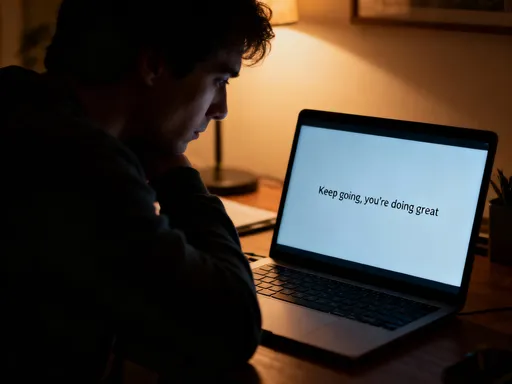
I didn’t want to make big changes right away. First, I just wanted to see the truth. So I grabbed a notebook and started a simple tracking habit. Every night, about 30 minutes before I planned to sleep, I’d jot down what device I was using, why, and for how long. No judgment, just observation. Was I on my phone checking Instagram? On the laptop answering a last-minute work message? Watching a show on the tablet? I also wrote down how I felt afterward—calm, alert, anxious, or sleepy. At first, I thought this would be boring. But within a week, I was shocked by what I saw.
One night, I told myself I’d just check a few messages for five minutes. The timer said 27. Another night, I watched a “relaxing” cooking show, but found myself wide awake an hour later, mentally planning next week’s meals. The biggest surprise? Work-related screen time—even something small like replying to an email—left me feeling more on edge than entertainment. It was like my brain couldn’t switch off the “responsibility” mode. I also noticed a pattern: the longer I spent on my phone in bed, the more likely I was to wake up mid-sleep and start scrolling again. What I thought was helping me relax was actually keeping me mentally active when I needed to be winding down. There were moments of honesty, too. Like the night I wrote “checked work email” and then paused, because I knew I hadn’t just checked it—I’d drafted a whole response I could’ve waited until morning to write. This wasn’t about guilt. It was about awareness. And that awareness became the foundation for real change. I didn’t need to be perfect. I just needed to see the pattern to start shifting it.
Small Shifts, Big Gains: Tweaking My Night for Daytime Clarity
Once I saw the data, I didn’t try to overhaul everything at once. Instead, I picked one small change to test: no screens in bed. Just that. If I wanted to use my phone or tablet, I’d do it on the couch, not under the covers. The first few nights were awkward. I kept reaching for my phone out of habit. But I replaced the scroll with something else—listening to a calming audiobook on a dimmed tablet, held at arm’s length. The light was lower, the content was soothing, and I wasn’t touching the screen every few seconds. I also set a hard cutoff for work messages: 8:30 PM. After that, my laptop stayed closed. If something urgent came up, my team knew they could call. But most things weren’t urgent. They just felt urgent because I was used to responding immediately.
Another game-changer? Moving my phone charger out of the bedroom. I started charging it in the kitchen. That simple act made it harder to grab the phone in the middle of the night. And if I did wake up, I wasn’t tempted to check anything. I’d just breathe and go back to sleep. These changes weren’t extreme. I didn’t delete apps or go on a digital detox. But over time, the difference was undeniable. I fell asleep faster. I stayed asleep longer. And when I woke up, I didn’t feel groggy. I felt… ready. That mental fog I used to battle every morning? It started lifting. I wasn’t just sleeping better—I was waking up with a clearer mind. And that clarity became my most valuable morning resource. I wasn’t more productive because I worked longer hours. I was more productive because I was finally showing up as my best self. The tech habits I’d changed at night were quietly giving me more energy, focus, and patience during the day. It was like I’d found extra time—not by adding to my day, but by protecting my night.
The Morning Payoff: How Extra Focus Translated to Real Work Wins
Here’s the part that surprised me the most: the quality of my mornings changed. In the past, I’d spend the first 90 minutes catching up—reading emails, re-reading them, trying to remember what I needed to do. Now, I was using that time differently. I felt alert, focused, and in control. I started blocking out the first hour for deep work—no distractions, just me and my most important task. And the results? I finished a client presentation in half the time it usually took. I caught a typo in a contract before sending it—something I would’ve missed before. I walked into meetings feeling prepared, not rushed.
But it wasn’t just about work. I had more patience with my family. I wasn’t snapping at small things. I had the mental space to plan dinner, help with homework, and still feel like I’d accomplished something for myself. That extra focus wasn’t just a bonus—it became a tool. I realized I wasn’t just getting more done. I was doing it with less stress. And that made everything feel more manageable. One morning, I looked at my calendar and realized I’d already completed three major tasks before 10 a.m. I didn’t feel drained. I felt capable. That sense of confidence spilled over into other areas of my life. I started saying yes to projects I would’ve avoided before. I felt more present in conversations. The shift wasn’t about working harder. It was about working smarter—using my peak mental hours when my brain was fresh, not foggy. And all of it traced back to what I did—or didn’t do—the night before. Protecting my sleep didn’t just improve my rest. It improved my life.
Tools That Helped—Without Overcomplicating Life
I didn’t need fancy gadgets or expensive apps to make this work. Most of the tools I used were already on my devices—I just hadn’t been using them. The built-in screen time tracker on my phone was a big help. I set daily limits for social media and got a gentle reminder when I was close to hitting it. It wasn’t about punishment. It was about awareness. Seeing the numbers made me pause and ask, “Do I really need to spend 45 minutes on this right now?” I also turned on grayscale mode at night. It sounds small, but making my screen black and white made it less appealing. Bright, colorful apps are designed to grab attention. A gray screen? Not so much. It made scrolling feel less exciting and more like work—which helped me put it down sooner.
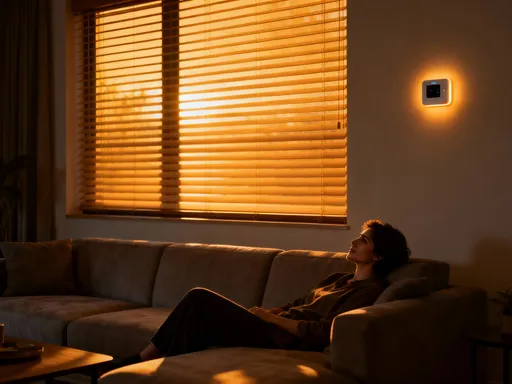
Another simple tool: a smart lamp that slowly dimmed in the evening. I set it to start at 8 p.m., so the room naturally got cozier as bedtime approached. It was a visual cue for my brain that it was time to slow down. I didn’t have to remember to turn off bright lights—I just let the lamp do it for me. I also used the “Do Not Disturb” mode more intentionally. Instead of just silencing calls, I set it to block all notifications after 9 p.m., except for family. That way, I wasn’t startled by pings or buzzes. These tools didn’t take over my life. They quietly supported it. They made the right choices easier without requiring constant willpower. And that’s the key: sustainability. You don’t need to be perfect. You just need a few gentle nudges to help you stay on track. Technology often gets blamed for stealing our time, but the truth is, it can also help protect it—if we use it with intention.
Building a Sustainable Routine: Making It Stick Beyond the Experiment
After 30 nights, I didn’t stop. This wasn’t a challenge to finish and forget. It became part of how I care for myself. I don’t track every minute anymore, but I still notice how I feel. If I break my routine—say, I watch a show in bed one night—I pay attention to how I feel the next day. More often than not, I’m reminded why I made the change. One evening, a friend said, “I could never give up my phone at night. It’s my downtime.” I didn’t argue. Instead, I asked, “How do you feel when you wake up?” She paused. “Honestly? Kind of tired. And foggy.” I shared my experience—not to convince her, but to offer a possibility. You don’t have to give up your phone completely. You can just change how you use it. Maybe it’s moving it out of the bedroom. Maybe it’s switching to audiobooks. Maybe it’s just being curious about your own patterns.
The point isn’t perfection. It’s progress. And the most powerful shifts often start small. You don’t need to overhaul your entire life. You just need one honest night of observation. One tiny change. One decision to protect your rest. Because when you do, you’re not just giving your body a break. You’re giving your mind the space it needs to thrive. You’re giving your mornings back. You’re giving yourself the gift of focus, energy, and peace. And honestly? That’s worth more than any late-night scroll. So if you’ve ever felt like you’re running on empty, ask yourself: what’s happening in your evenings? What if the key to a better tomorrow isn’t doing more—but resting better tonight? You don’t need a miracle. You just need one small, intentional shift. Start there. Your future self will thank you.