Tired of Missing Out on Local Volunteer Events You Care About? This App Connects You Instantly
Life has a way of keeping us busy—between work, family, and daily routines, it’s easy to want to give back but never quite find the right opportunity. You’re not alone. Many of us care deeply about our communities but struggle to stay informed or match our skills with real needs. What if technology could quietly bridge that gap, not with hype, but with simple, smart connections that fit your life? This is no grand promise—just real, everyday improvements that help you show up, contribute, and feel more connected—without the stress.
The Frustration of Wanting to Help—But Never Finding the Right Moment
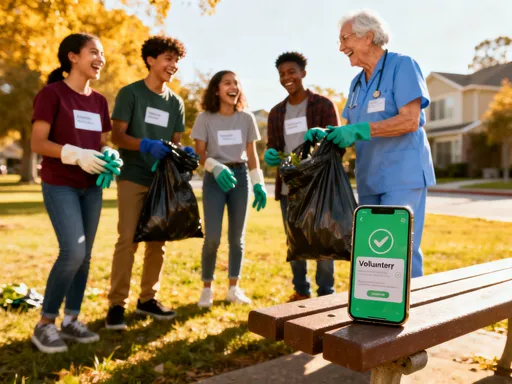
How many times have you seen a photo on social media after the fact—a group of neighbors serving meals at a shelter, kids planting trees in the park, or volunteers packing school kits for underprivileged students—and thought, "I wish I could’ve been there"? That pang of missed opportunity isn’t just about regret. It’s about feeling disconnected from the very community you care about. You want to help, but the timing never works out. The flyer goes up the day after the event. The email arrives when you’re elbows-deep in dinner prep. The Facebook group post gets buried under cat videos and sale alerts.
And it’s not just about missing one event. It’s the pattern. You start to believe that volunteering is for people with more time, more flexibility, or better connections. But that’s not true. The real issue isn’t your availability—it’s access. Most local volunteer efforts don’t have big budgets or marketing teams. They rely on word-of-mouth, community boards in libraries, or announcements at city meetings. If you’re not already plugged in, you’re left out. Think about it: when was the last time you actively searched for a way to help? And when was the last time you actually found one that fit your schedule, your interests, and your family’s routine?
Maybe you’ve tried before. You signed up for a newsletter that never sent updates. You called a nonprofit and were told they’d “keep you in mind”—but never followed up. Or you showed up to an event only to find it was oversubscribed and they didn’t need you after all. These small frustrations add up. They make you feel invisible, like your willingness doesn’t matter. But here’s the truth: your time, your skills, your presence—they matter more than you know. The problem isn’t you. It’s the system. And now, thanks to thoughtful technology, that system is finally changing.
How Technology Quietly Solves the “Right Place, Right Time” Problem
Imagine this: you’re folding laundry on a Sunday evening, and your phone gives a soft chime. Not a loud alert, not a flashing ad—just a calm, friendly notification: “A local food pantry needs help sorting donations tomorrow from 10 to 12. 15 minutes from your home. Tap to confirm.” No pressure. No guilt. Just a simple invitation to show up. That’s the power of modern volunteer-matching apps—tools designed not to overwhelm, but to align with your life.
These apps aren’t flashy or complicated. They don’t ask you to learn new skills or spend hours setting up profiles. Instead, they work quietly in the background, like a thoughtful friend who knows what you care about. Using your location, your stated interests, and your calendar, they connect you with real-time opportunities nearby. No more guessing. No more searching. Just gentle, timely nudges that say, “Hey, this needs you—and you can actually do it.”
The magic isn’t in complex algorithms—it’s in smart design. When you sign up, you tell the app what causes matter to you: food security, youth education, environmental cleanup, animal welfare. You set your availability: weekends only, weekday evenings, or just “whenever I can.” You even choose how far you’re willing to travel. Then, the app does the rest. It scans local organizations, checks their immediate needs, and sends you only the opportunities that match your preferences.
And here’s the best part: it learns. If you consistently say yes to tutoring events, it starts showing you more of them. If you skip the early morning shifts, it stops suggesting them. It’s not about forcing you into a mold—it’s about shaping the experience around you. The goal isn’t to turn you into a full-time volunteer. It’s to make helping others feel natural, doable, and rewarding. Because when technology removes the friction, doing good doesn’t feel like another chore. It feels like a choice you’re happy to make.
Real Stories: When the App Made All the Difference
Sarah, a registered nurse from Portland, used to think volunteering meant big commitments—weekend trainings, long shifts, or signing up for months at a time. Between her 12-hour hospital shifts and caring for her two young kids, she didn’t see how she could fit it in. But one evening, while scrolling through the app during a rare quiet moment, she saw a notification: “Free health screening event at the community center—nurses needed for 3 hours this Saturday.” The event was just two blocks from her sister’s house, where she planned to visit anyway. She tapped “I’m in,” and that was it.
The day of the event, she spent three hours checking blood pressure, answering questions, and handing out wellness pamphlets. She didn’t have to prepare. She didn’t have to coordinate. She just showed up and used the skills she already had. Afterward, a woman stopped her and said, “You caught something my doctor missed. Thank you.” Sarah cried in her car on the way home. Not because it was sad—but because it felt so deeply right. Since then, she’s volunteered at four more events, always on her terms, always when it made sense for her life.
Then there’s James, a college student studying computer science. He wanted to give back but didn’t know how. He wasn’t interested in serving food or cleaning parks—he wanted to use his knowledge. One afternoon, the app pinged him: “Youth coding workshop needs mentors—basic Python skills required.” He signed up, showed up, and ended up teaching a group of middle schoolers how to build simple games. The kids were excited. The organizers were grateful. And James? He felt like he mattered.
What’s powerful about these stories isn’t that they’re dramatic. It’s that they’re ordinary. Sarah didn’t save a life in a heroic way. James didn’t launch a startup. But both of them showed up, used what they had, and made a difference. And that’s the point. Technology isn’t creating superheroes. It’s helping regular people—people like you—be part of something bigger, one small act at a time.
Making It Personal: How the Tech Learns What Matters to You
One of the biggest reasons people give up on volunteering is that it feels impersonal. You sign up for one thing, and then you’re asked to do something completely different. Or you’re placed in a role that doesn’t use your strengths. That’s where smart design makes all the difference. The best volunteer apps don’t treat you like a warm body to fill a slot. They treat you like a person with passions, skills, and limits.
When you first open the app, you’re asked simple questions: What causes speak to your heart? Do you prefer working with kids, animals, seniors, or the environment? Are you good at organizing, teaching, building, or listening? How much time can you realistically give? These aren’t just checkboxes—they’re the foundation of a personalized experience. The app uses your answers to create a profile that reflects who you are, not just what’s available.
Over time, it gets even smarter. If you keep saying yes to events at animal shelters, it starts prioritizing pet-related opportunities. If you skip outdoor events when it’s cold, it stops suggesting winter cleanups. If you volunteer during school hours, it assumes you might be a stay-at-home parent and suggests family-friendly activities. It’s not mind reading—it’s thoughtful design that respects your life.
And here’s something important: the app doesn’t push you. It doesn’t send guilt-tripping messages like “You haven’t volunteered in 3 weeks!” or “Your neighbor just helped at a food drive.” That kind of pressure doesn’t help anyone. Instead, it sends calm, respectful invitations: “There’s a chance to read to kids at the library this Friday—would you like to join?” No shame. No competition. Just a quiet “we see you, and we’d love to have you.” That kind of respect makes all the difference. It turns volunteering from a duty into a choice you’re excited to make.
Strengthening Community Ties Without Adding Stress
One of the unexpected benefits of using these apps isn’t just that you help others—it’s that you start to feel more connected to your own neighborhood. Think about it: how many of your neighbors do you actually know by name? How often do you see the same faces at local events? For many of us, community feels like a concept, not a reality. But when you start showing up—consistently, regularly, in small ways—something shifts.
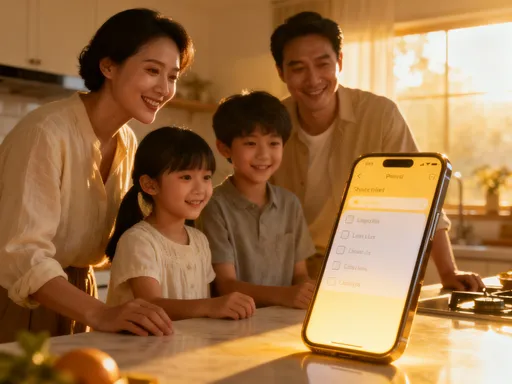
Families who volunteer together find new ways to bond. Instead of another Saturday scrolling through screens, they’re planting flowers at a community garden or packing meal kits side by side. Retirees rediscover purpose. After years of structured work life, many feel adrift. But when they start mentoring youth or helping at senior centers, they feel valued again. And neighbors? They stop being strangers. You see someone at a cleanup event, then again at a food drive, then at a school fundraiser. Eventually, you start saying hello. Then you start chatting. Then you start becoming friends.
These aren’t grand transformations. They’re quiet, steady shifts in how we relate to the places we live. And that’s where the real magic happens. Stronger communities aren’t built in a day. They’re built through small, repeated acts of showing up. When more people participate, more needs get met. When more needs get met, people feel safer, more supported, more hopeful. And when people feel hopeful, they’re more likely to give back. It’s a beautiful cycle—and technology is now helping more of us join it.
The best part? It doesn’t require perfection. You don’t have to be the most active volunteer. You don’t have to organize events or lead teams. You just have to be present. And when the app makes that so easy, showing up becomes a habit—not a heroic act.
Getting Started: Simple Steps to Turn Intent Into Action
If you’ve ever thought, “I’d love to help, but I don’t know where to start,” here’s your sign. You don’t need a big plan. You don’t need to change your life. You just need to take one small step. First, download a trusted local volunteer app—look for one that partners with verified nonprofits and has good user reviews. Set up your profile: choose your causes, set your availability, and pick your preferred locations. It takes less than ten minutes.
Next, block off a small window of time in your calendar—just two hours, once a month. That’s all. Don’t overthink it. When an opportunity comes up that feels right, tap “Yes.” Show up. Do your part. Smile. Leave knowing you made a difference. Afterward, the app might ask how it went. Your feedback helps improve the experience for others—and for you.
Start with something low-pressure: sorting donations, helping at a school fair, or writing notes to seniors. If you bring your kids, great. If you go alone, also great. The point isn’t the scale of the act—it’s the act itself. And once you do it once, you’ll likely want to do it again. Because helping feels good. It reminds you that you matter. That your time matters. That your presence can change someone’s day.
And if you’re nervous? That’s okay. Everyone is, at first. But here’s what you’ll learn: people at these events aren’t looking for perfection. They’re grateful for help. They’ll guide you. They’ll thank you. And you’ll walk away feeling lighter, more connected, more like yourself.
A Smarter, Kinder Way to Live—One Small Act at a Time
Technology often gets praised for making us faster, more efficient, more productive. But what if its greatest gift isn’t speed—it’s connection? What if the most powerful thing a device can do isn’t send a message in a second, but help you show up for someone in need? That’s the quiet revolution happening right now. It’s not loud. It’s not viral. But it’s real.
These apps aren’t replacing human kindness. They’re amplifying it. They’re helping good intentions find their way to action. They’re turning “I wish I could help” into “I did help.” And in a world that often feels divided, rushed, and overwhelming, that’s a kind of magic we all need.
When you use technology to serve your values, it stops being a distraction. It becomes a tool for living with purpose. You don’t have to change the world. You just have to show up, in your own way, when and where you can. And when more of us do that—quietly, consistently, kindly—change happens. Not because of one big moment. But because of thousands of small ones.
So the next time you see that photo of volunteers smiling after a cleanup, and you feel that familiar pang—remember this: the opportunity isn’t gone. It’s just waiting for you to say yes. And now, thanks to a simple app, saying yes has never been easier.