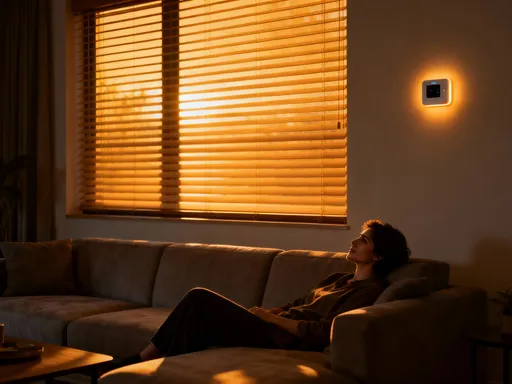
Tired of your home never learning your habits? Watch how it finally starts to understand you
Living in a smart home used to mean endless apps, failed automations, and devices that just didn’t *get* you. You’d come home stressed, only to find the lights too bright, the temperature off, and your routine completely ignored. But what if your home could learn from you—quietly, naturally—like a good friend who just knows? This is no longer sci-fi. It’s happening now, and it’s changing how we live, one small, thoughtful adjustment at a time. Imagine walking through your front door and feeling truly welcomed—not by grand gestures, but by subtle comforts that align perfectly with your mood, your schedule, and even your unspoken needs. That’s the promise of today’s smart homes: not just control, but understanding.
The Frustration of a "Smart" Home That Isn’t (Really) Smart
Remember when we were all so excited about smart homes? We bought voice assistants, smart bulbs, thermostats, and even fridges that could tell us when we were out of milk. We imagined walking into a space that responded to us—effortlessly. But then reality hit. Instead of simplifying life, our homes started feeling like high-maintenance pets. "Alexa, turn off the living room lights"—only for the kitchen lights to go dark instead. Or setting up a morning routine that was supposed to gently wake us with soft lighting and warm temperatures, only to find the AC blasting cold air at 6:30 a.m. because someone changed the schedule and forgot to reset it.
And let’s talk about automations. We spent hours building "perfect" routines: lights on at sunset, thermostat adjusting at 7 p.m., coffee brewing at 7:15. But life isn’t that predictable. What if you come home late from dropping the kids at soccer practice? Or you’re feeling under the weather and want everything dim and cozy, not bright and energetic? Most early smart home systems didn’t care. They followed the script, no matter what. You ended up spending more time troubleshooting than relaxing. It felt less like living with technology and more like babysitting it.
Even basic things became frustrating. You’d walk into a room, arms full of groceries, and have to put everything down just to tap a phone screen or shout a command that might not work. Or worse—you’d forget to turn off the oven, and no one would tell you until it was too late. We were promised freedom, but we got complexity. The dream of a helpful, intuitive home felt further away than ever. It wasn’t that the technology didn’t work. It was that it didn’t know us. It followed orders, but it didn’t understand life—the messy, beautiful, unpredictable rhythm of real days.
Meet the New Generation: Homes That Learn, Not Just Obey
Now, something has changed. The newest wave of smart home technology isn’t just about giving commands—it’s about teaching your home how you live. Instead of programming every detail, you let it watch, listen, and learn. Think of it like welcoming a new member into your household—one who pays attention to the little things. Over time, it starts to notice patterns: when you usually wake up, how warm you like the bathroom, which lights you prefer in the evening, even how long your showers tend to last.
Take the thermostat, for example. Earlier versions required you to set schedules manually. If you forgot to update it after daylight saving time or a vacation, you’d come home to a freezing house. But now, advanced learning thermostats observe your behavior. They see that you like the temperature at 68°F when you’re up and moving, but prefer it warmer—around 72°F—when you’re cooking dinner or relaxing on the couch. After a few days, it starts making those adjustments on its own. No programming needed. It just… knows.
Lighting systems are doing the same. Instead of setting timers for when lights turn on, new systems adapt based on your actual habits. If you usually dim the living room lights around 8 p.m. while reading, the system picks up on that. Soon, the lights begin to dim automatically as the evening settles in. And if you override it—say, turning them brighter because you’re hosting guests—it learns from that too. It’s not rigid. It’s flexible, like a thoughtful roommate who adjusts to your mood.
The magic isn’t in flashy features—it’s in the quiet background work. These systems use harmless, anonymized data to build a picture of your daily life. They don’t record conversations or watch you through cameras. They simply track environmental patterns: temperature changes, motion, light levels, and timing. Over time, they begin to anticipate your needs before you even think about them. And that shift—from obedience to understanding—changes everything.
From Reaction to Anticipation: How Learning Changes Everything
There’s a moment—subtle but powerful—when you realize your home isn’t just reacting to you. It’s anticipating you. Maybe it’s coming home after a long day and finding the entryway softly lit, the temperature just right, and your favorite calming playlist already playing. You didn’t ask for any of that. You didn’t set a scene. But your home sensed it: the time of day, your slightly slower pace, the fact that you’ve been out since early morning. And it responded with care.
That’s the emotional shift. Technology has always been good at doing what it’s told. But now, it’s starting to care—in its own quiet, digital way. It’s not about convenience alone. It’s about feeling seen. When your environment adapts to your mood, it sends a message: "I notice you. I’m here for you." And that makes a difference, especially on tough days when you’re too tired to make decisions.
Here’s how it works behind the scenes: every action you take—turning on a light, adjusting the thermostat, using a voice command—becomes a data point. Over time, these points form patterns. The system notices, for example, that every Sunday evening, you turn on the kitchen lights at 5:30 p.m., put on soft music, and start prepping dinner. After a few weeks, it starts turning on the lights and warming the kitchen just before you walk in. You didn’t ask. But it learned.
And the best part? It respects your privacy. Most modern learning systems process data locally on your home network, not in the cloud. Your habits stay in your home. No one else sees them. The AI doesn’t need to know your name or your story—it just needs to recognize rhythms. It’s like a good neighbor who knows when you’re home without ever prying. This blend of intelligence and discretion is what makes the new generation of smart homes feel so natural, so human.
The Ripple Effect on Daily Life and Well-being
At first, these changes might seem small. A slightly warmer bathroom in the morning. Lights that dim when you start winding down. But over time, they add up to something bigger: less mental load. As women, many of us carry the invisible weight of managing the household—the “mental load” of remembering what needs to be done, when, and by whom. Did I turn off the iron? Is the laundry done? What’s for dinner? A home that learns helps lighten that burden.
Imagine never having to argue about the thermostat again. Your partner likes it cooler. You prefer warmth. In the past, this could spark a daily tug-of-war. But now, your smart system learns that you like it warmer in the evenings, while your partner prefers it cooler in the mornings. It adjusts automatically, without anyone having to say a word. No conflict. Just comfort tailored to each person.
And for families, the benefits go even deeper. Kids thrive on routine. A learning home can help maintain that consistency. For example, bedtime routines become smoother when the house supports them. At 7:30 p.m., the kids’ bathroom lights turn on at a soft blue hue—your signal that it’s time to brush teeth. The hallway nightlight comes on, and the living room dims. Music shifts to quiet lullabies. You don’t have to remind anyone. The environment guides them. And because the system learns, it adapts if bedtime shifts on weekends or during holidays.
Parents also report better sleep and lower stress. When your home handles the small things—closing blinds at sunset, turning off unused lights, adjusting temperature for optimal sleep—you can focus on what matters: being present with your family, reading a book, or simply resting. One mother shared how her anxiety dropped after installing a learning system. "I used to lie in bed worrying—did I lock the door? Turn off the stove? Now, my phone quietly confirms everything is secure. I can finally relax."
Making It Work: Setting Up a Home That Learns (Without the Headache)
If this sounds amazing but overwhelming, take a deep breath. You don’t need to upgrade your entire house overnight. The key is to start small and let the system grow with you. Pick one area—your bedroom, your kitchen, or your front entry—and focus there. Choose devices that are known for learning capabilities, like adaptive thermostats or smart lighting systems with habit-tracking features.
First, make sure your devices are compatible. Most modern systems work within a single ecosystem—like Apple Home, Google Home, or Amazon Alexa. Sticking to one platform helps everything communicate smoothly. Look for devices labeled "works with" your chosen assistant. Once installed, don’t rush to automate everything. Instead, use the devices normally for a few days. Let the system observe. Turn lights on and off manually. Adjust the temperature as you usually would. This “training period” helps the AI learn your true habits, not just what you think they should be.
After a week or two, start enabling the learning features. Many apps have a “suggest automations” option that offers smart routines based on your behavior. Review them carefully. If it suggests turning off the living room lights at 9 p.m. because you usually do it then, but you know next week is different, adjust it. The system learns from corrections too. Think of it like teaching a new employee—be clear, be patient, and give feedback.
And here’s a friendly tip: Talk to your devices like you would a new roommate. "Hey Google, that was too bright—please make it softer." Or "Alexa, I like it warmer in here in the mornings." Some systems use voice feedback to refine their understanding. The more you interact, the smarter they get. And don’t worry about perfection. Mistakes are part of the process. If the lights turn on when they shouldn’t, just turn them off. The system will notice and adjust. It’s not about getting it right the first time. It’s about growing together.
Beyond Comfort: How a Learning Home Supports Personal Growth
Here’s something I didn’t expect: my smart home started helping me become a better version of myself. It wasn’t pushing me or sending reminders like a nagging app. It was simply creating an environment that made good habits easier. For example, I wanted to wake up earlier and start the day with calm, not chaos. So I set up my bedroom to support that. Now, every morning, the lights slowly brighten 15 minutes before my alarm, mimicking sunrise. The thermostat warms the room just enough to make getting out of bed easier. And soft music begins to play—something gentle, like piano or nature sounds.
At first, I still hit snooze. But over time, I started waking up more naturally. The environment was inviting, not jarring. And because I felt more rested, I had more energy to make breakfast, pack lunches, and even squeeze in five minutes of stretching. The home didn’t force me to change. It made change feel possible.
The same happened with my evening routine. I wanted to reduce screen time before bed. So I set the living room lights to dim automatically at 8:30 p.m. and the TV to turn off at 9:30. At first, I resisted. But soon, the dimming lights became a cue: "It’s time to wind down." I started picking up a book instead of scrolling. My sleep improved. My mood lifted. My kids followed my lead. The home wasn’t policing me—it was guiding me, gently.
This is the quiet power of a learning home. It becomes a partner in your growth. Whether you’re trying to eat healthier, move more, or simply feel calmer, your environment can support you. Want to drink more water? A smart speaker can remind you—softly, kindly—every few hours. Trying to create a meditation habit? Set the lights to shift to a calming blue and play soft sounds when you enter the living room in the morning. Over time, these cues become part of your rhythm. You’re not fighting your habits. You’re reshaping them, with help.
The Future Is Quiet: Why Effortless Living Matters Most
When we think about the future of technology, we often imagine flashy gadgets, glowing screens, and voice commands flying through the air. But the real future? It’s quieter. It’s a home that works so well you barely notice it. Lights that adjust without asking. Temperatures that feel just right. A space that supports you without demanding your attention.
That’s the deeper value of a learning home. It’s not about showing off cool tech. It’s about creating peace. It’s about freeing your mind from small worries so you can focus on what truly matters—your family, your passions, your well-being. It’s about coming home and feeling understood, not managed.
And perhaps most importantly, it’s about reclaiming time. Time you used to spend adjusting settings, checking devices, or managing routines. Now, that time is yours. To read. To laugh. To breathe. To simply be.
So if you’ve been waiting for smart home technology to feel more human, that moment is here. Your home doesn’t need to be perfect. It just needs to learn. And as it does, it becomes more than a house. It becomes a quiet companion on your journey—one that listens, adapts, and helps you live with a little more ease, every single day.