More than fast food: Delivery apps that gave me back hours I didn’t know I was losing
Ever feel like there just aren’t enough hours in the day? I used to spend so much time planning meals, grocery shopping, and cooking—especially on busy workdays. Then I started using food delivery apps differently, not just for convenience, but as a real tool to reclaim my time and energy. This is the story of how small tech choices helped me work smarter, live lighter, and feel more in control of my daily life. It wasn’t about giving up cooking or healthy eating. It was about making space—for my family, for rest, for growth. And honestly? The biggest surprise wasn’t how fast my dinner arrived. It was how much calmer, clearer, and more myself I began to feel.
The Hidden Time Tax of Daily Meals
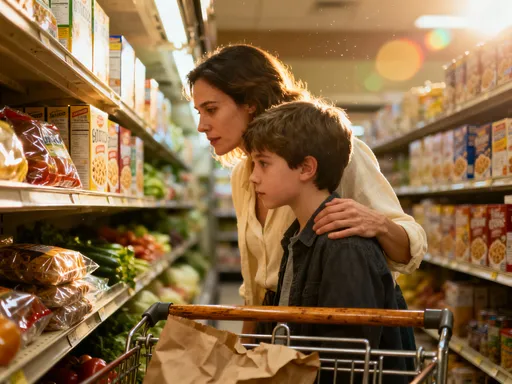
Let’s talk about something we all do but rarely think about: feeding ourselves. Every single day, without fail, we have to eat. And for years, I thought the only way to do it “right” was to cook everything from scratch. I told myself it was healthier, cheaper, more responsible. But no one warned me about the hidden cost—the time tax. Not just the 30 minutes of actual cooking, but the full cycle: deciding what to make, checking the fridge, making a grocery list, going to the store, unpacking, prepping, cooking, cleaning up, and then doing it all over again the next day. When I finally added it up, I was spending close to 10 hours a week just on meal prep. That’s more than a full workday!
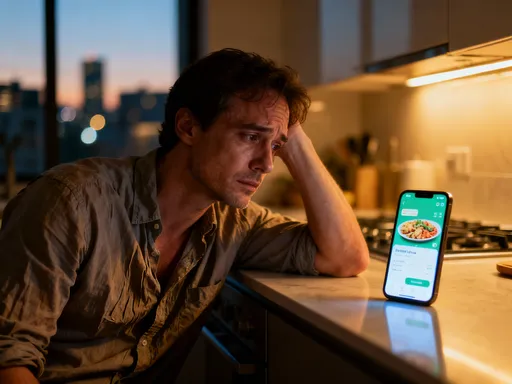
And it wasn’t just the clock. It was the mental load. The constant background noise of What’s for dinner? that started creeping into my thoughts by mid-afternoon. I’d be in a meeting, nodding along, and suddenly my brain would jump ahead: Do I have onions for the stir-fry? Did I remember to thaw the chicken? It was exhausting. I remember one evening, after a long day at work, I stood in front of an open fridge, staring at the shelves like they were supposed to magically tell me what to do. My kids were asking questions, my partner was asking when dinner would be ready, and I just felt frozen. That moment hit me hard. I wasn’t failing because I didn’t care. I was overwhelmed because the system was broken.
What I didn’t realize then was that this daily grind wasn’t just draining my time—it was stealing my focus, my peace, and my ability to show up fully in other parts of my life. The guilt of ordering out once in a while made it worse. I felt like I was letting myself and my family down. But the truth is, no one teaches us how to balance care and sustainability. We’re praised for pushing through, for doing it all. But what if doing it all means burning out? What if the real act of care isn’t cooking every meal from scratch—but protecting your energy so you can be present when it matters most?
How I Started Rethinking Food Delivery Apps
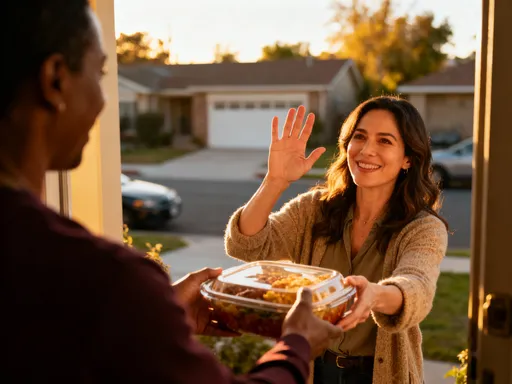
My turning point came during a particularly rough week. A big project at work had hit a critical phase, and I was pulling long hours. On top of that, my youngest had a fever, and the laundry was piling up. One morning, I woke up already behind, and the thought of packing a lunch or figuring out dinner made me want to cry. That’s when I opened a food delivery app—not for pizza or fried food, but for a grilled salmon bowl from a local café I’d seen before. I clicked “order,” and within 30 minutes, a warm, balanced meal was at my door. I sat down, actually ate while it was hot, and for the first time in days, I didn’t feel rushed.
That small moment changed everything. I realized I’d been thinking about delivery apps all wrong. I’d labeled them as lazy, indulgent, or something you only used when you’d “failed” at meal prep. But what if they weren’t the enemy of good habits—but a tool to support them? That salmon bowl wasn’t junk food. It was real food, thoughtfully made, delivered at a time when I needed it most. The time I saved wasn’t just about skipping the grocery store. It was about not having to decide, prep, or clean. It was mental relief as much as physical convenience.
I started experimenting. Instead of packing lunch every day, I’d order it on my two busiest days. I’d use the time I saved to take a short walk, reply to personal emails, or just breathe. And you know what? My productivity went up. I wasn’t distracted by hunger or stress. I felt more focused, more human. The guilt I expected never came. Instead, I felt a quiet sense of pride. I wasn’t taking the easy way out—I was making a smart choice. I began to see these apps not as a last resort, but as part of a smarter, more compassionate rhythm of life. They weren’t replacing my kitchen. They were giving me back the space to use it when I truly wanted to.
Building a Smarter Weekly Routine with Delivery Tech
Once I shifted my mindset, I wanted to make this work long-term—not as a crisis fix, but as a sustainable habit. So I got intentional. I didn’t just order randomly. I built a system. I looked at my weekly calendar and identified my pressure points—Tuesdays and Thursdays, when back-to-back meetings left no time to cook, and Wednesday, when I had to pick up my daughter from extra classes. On those days, I’d schedule delivery in advance. I’d open the app during my morning coffee, place the order, and let it arrive when I needed it.
I also started using the app’s features more wisely. I saved my favorite healthy meals—things like quinoa bowls, veggie stir-fries, and grilled protein plates—so I could reorder with one tap. I followed a few local restaurants that focused on fresh, balanced food, and I’d check their weekly specials. Over time, I noticed patterns: certain places offered family-sized portions at a better value, or had loyalty points that added up. I began treating the app like a personal assistant, not just a food vendor.
The biggest win? Decision fatigue dropped dramatically. Instead of staring at the fridge at 6 p.m., debating options, I had a plan. I’d decided earlier, when my mind was fresh. That small shift—making choices in advance—freed up so much mental energy. I started applying the same logic to other areas: I’d batch-cook on Sundays, freeze portions, and use delivery only when it made sense. It wasn’t all or nothing. It was balance. And that balance gave me something priceless: control. I wasn’t reacting to my day. I was designing it.
Gaining Independence Through Better Time Management
The more I streamlined my meal routine, the more I noticed changes beyond the kitchen. The time I saved wasn’t just “free” time—it was reclaimed energy. And energy, I learned, is the real currency of independence. With fewer battles over dinner, I had more focus to invest in myself. I started waking up 30 minutes earlier to read or journal. I joined an online course on personal finance—something I’d been putting off for years. I even began walking three times a week, not because I was trying to “fix” myself, but because I finally had the space to want to.
One of the most unexpected outcomes was starting a small side project—planning weekend family adventures. I’d always talked about doing it, but never had the bandwidth. Now, I could research local hikes, book nature trails, or find farm stands to visit. I’d plan one outing every week, something simple but meaningful. Those moments—picking apples, feeding ducks, exploring a new park—became the highlights of our weekends. And they only happened because I wasn’t spending Saturday afternoon meal-prepping for the week ahead.
This wasn’t about luxury. It was about freedom. The kind of freedom that comes from knowing you can handle your day without falling apart. I wasn’t just surviving. I was growing. And that growth wasn’t tied to any single app or meal—it was the result of choosing myself, again and again, in small, quiet ways. Technology didn’t do the work for me. It simply made room for me to do it.
Balancing Budget, Health, and Speed
I know what you might be thinking: Isn’t delivery expensive? Isn’t it unhealthy? I asked myself the same questions. At first, I worried I’d blow my grocery budget or end up eating too much salt and oil. But what I discovered surprised me. When I looked closely, I realized that my “cheap” home-cooked meals weren’t always cheaper. I was buying ingredients I didn’t use, letting food go bad, or spending money on last-minute convenience items. Delivery, when used strategically, could actually be more cost-effective—especially when I avoided peak times, used promo codes, or shared family-sized orders.
Health was another concern. But many apps now have filters for dietary needs—low sodium, vegetarian, gluten-free, high protein. I started using them. I’d search for “high protein, under 600 calories” and find real options: grilled fish, roasted vegetables, whole grains. I also learned to pair delivery with home habits—ordering a main dish but adding a side salad I made myself. That way, I got the convenience without sacrificing nutrition.
And let’s talk about loyalty programs. Many local restaurants offer discounts after a few orders. Some apps give cashback or free delivery after a certain number of uses. I started tracking these, not obsessively, but enough to make smarter choices. Over time, I built relationships with a few places I trusted. The owners began to recognize my name. One even started adding an extra portion of roasted carrots—“because you always order them.” That personal touch made me feel seen, not just served.
The key was intention. Delivery wasn’t a free-for-all. It was a tool I used with care. And when I did it right, it supported all three: my budget, my health, and my time. That balance made all the difference.
Strengthening Family and Personal Space
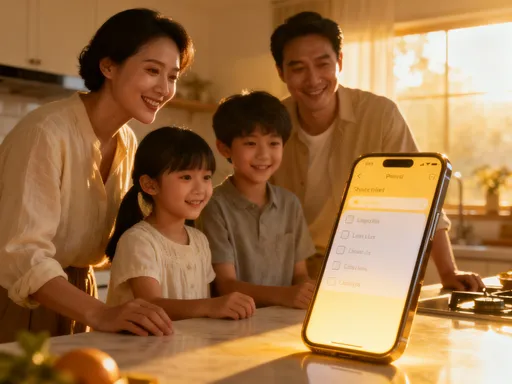
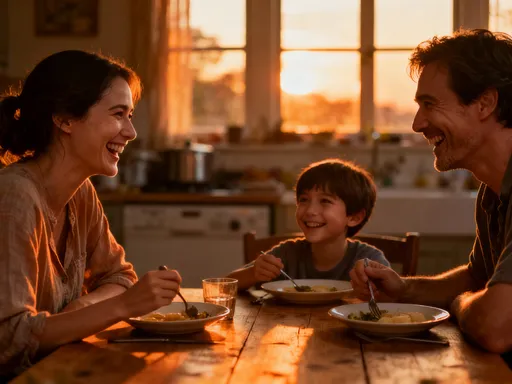
One of my biggest fears was that relying on delivery would make me feel like a less caring mom or partner. But the opposite happened. On busy evenings, when I used to be stressed, short-tempered, or distracted by cooking, I now had the space to be present. I’d order dinner, set the table, light a candle, and actually sit down with my family. No rushing, no last-minute panic, no burnt food. Just conversation, laughter, and connection.
My kids noticed. One night, my daughter said, “Mom, you seem happier at dinner now.” That hit me deep. I realized that my stress wasn’t invisible. It had been shaping our family atmosphere. By removing the pressure of meal prep, I wasn’t stepping back—I was showing up better. We started talking more. We played little games. We even began sharing “rose and thorn” of the day—what went well, and what was hard. Those moments became sacred.
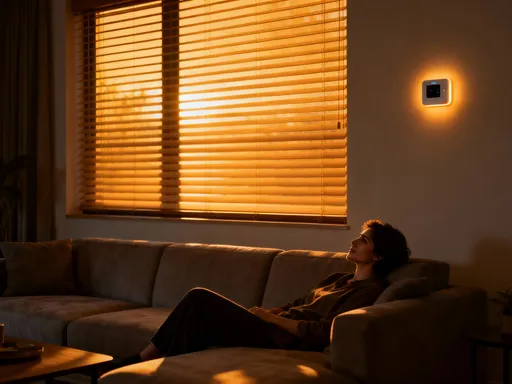
And it wasn’t just about family. I also gained personal space. There were nights I’d order something simple, eat on the couch with a book, and just breathe. No guilt. No performance. Just rest. That quiet time became a form of self-respect. I learned that caring for myself wasn’t selfish—it was necessary. And when I felt rested and calm, I was kinder, more patient, more me.
A New Kind of Self-Reliance in Everyday Life
Looking back, I see how much has changed—not because of a single app, but because of a shift in how I value my time and energy. I used to think self-reliance meant doing everything myself, proving I could handle it all. Now I see it differently. True independence isn’t about isolation. It’s about knowing your limits, using the tools available, and making choices that honor your whole life.
These small tech choices—using delivery apps with intention—taught me that progress doesn’t have to be loud or dramatic. It can be quiet. It can be as simple as eating dinner without stress, or having 20 extra minutes to read to your child. It’s about designing a life that works, not one that impresses.
I still cook. I love it, actually—on weekends, for special meals, when I have the time and the joy. But I don’t force it. I’ve learned that care isn’t measured in hours spent in the kitchen. It’s measured in presence, in patience, in the ability to show up with an open heart. And sometimes, the most powerful thing we can do is give ourselves permission to make it easier.
So if you’re feeling overwhelmed, if the weight of daily meals is dragging you down, I want you to know: it’s okay to use the tools around you. It’s okay to reclaim your time. It’s okay to choose peace over perfection. Because the life you want isn’t on the other side of more effort. It’s on the other side of smarter choices. And sometimes, the simplest tech can be the most transformative—not because it’s flashy, but because it gives you back what matters most: you.