From Forgotten Neighbors to Daily Support: How Mutual Aid Apps Brought Our Community Back to Life
You know that feeling when you pass your neighbor in the hallway and just nod awkwardly? I used to think small talk was all we’d ever share—until I missed a work call because my dog got sick and no one could help. That’s when I downloaded a neighborhood mutual aid app. What started as a last-minute request for dog-sitting turned into warm meals during tough weeks, shared garden harvests, and real friendships. It didn’t just make life easier—it made it fuller. And honestly, I didn’t realize how much I’d been missing until I finally reached out.
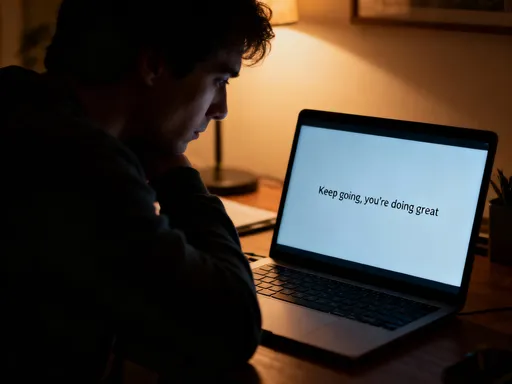
The Loneliness Behind Closed Doors
Let’s be real—most of us don’t know our neighbors beyond a quick wave or a polite smile. We live side by side, yet so many of us go weeks without meaningful conversation. I remember last winter, when I had the flu and couldn’t get out of bed to pick up groceries. My son needed snacks for school the next day, and I was too weak to call in a delivery. I stared at my phone, scrolling through contacts, wondering who I could possibly ask. And then it hit me: the woman across the hall bakes banana bread every Sunday. I’d smelled it through the door. But I didn’t know her name. I didn’t have her number. I just… existed beside her.
I’m not alone in this. So many of us—parents juggling work and kids, seniors living alone, people working remotely—feel isolated even in crowded neighborhoods. The loneliness isn’t loud; it’s quiet. It’s missing a package because no one could accept it. It’s not having someone to call when your car won’t start. It’s eating dinner alone every night, even though there are dozens of homes within 50 feet of yours. We’ve built lives that are efficient, but not always warm. We’ve optimized for privacy, but forgotten about presence.
And while we’re all connected online, digital friendships don’t bring soup when you’re sick. A text from a cousin across the country can’t water your plants while you’re away. We need help that’s local, immediate, and human. We need people who are close, not just connected. That’s why so many of us are turning back to the idea of community—not in some nostalgic, old-fashioned way, but in a modern, practical one. One that uses technology not to replace face-to-face connection, but to finally make it possible again.
What Are Neighborhood Mutual Aid Apps (And Why They’re Not Just Another App)?
You’ve probably heard of apps for food delivery, rides, or even laundry pickup. But mutual aid apps are different. They’re not about paying someone to do a task. They’re about neighbors helping neighbors—no money exchanged, no expectation of profit. Think of it like a digital version of the old neighborhood bulletin board, but smarter, safer, and always within reach.
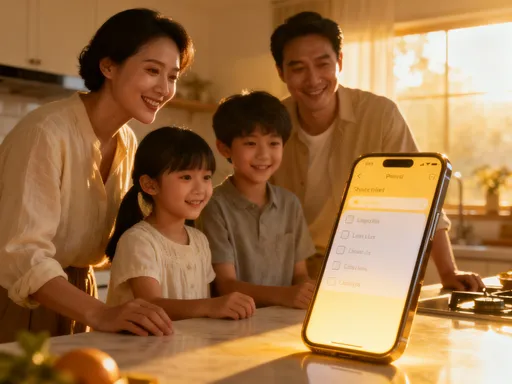
Here’s how it works: you download the app, verify your address, and join your local group. Once you’re in, you can post requests like, “Need help carrying groceries up the stairs,” or “Can anyone lend a ladder this weekend?” Others in your area see your post and can respond if they’re able. Maybe you’re great at fixing leaky faucets, or you always pick up extra milk—now you can offer that help easily. It’s not about grand gestures. It’s about small, real things that make daily life just a little smoother.
What makes these apps special is that they’re built on trust, not transactions. There’s no rating system like on ride-sharing apps. No pressure to perform. Instead, most platforms use verified profiles—sometimes through your home address or utility bill—so you know people are who they say they are. Some even have neighborhood moderators, often volunteers, who help keep things respectful and kind. It’s not perfect, but it’s a start. And the more we use it, the more natural it feels to ask, and to give.
I remember my first post: “Dog threw up at 6 a.m., can’t make vet appointment. Anyone nearby who loves dogs?” Within 20 minutes, Sarah from two floors down replied, “I’ve got him. Take your time.” That moment changed everything for me. It wasn’t just the help—it was the relief. The feeling that I wasn’t alone. And that’s what these apps are really about: turning proximity into partnership.
Turning Strangers into Allies: One Request at a Time
I’ll never forget the day I posted, “Can anyone watch my son for an hour? Work emergency.” My hands were shaking as I hit send. I felt guilty, like I was asking too much. But within minutes, a message popped up: “I’m free. Happy to help.” It was Maria, the woman who sometimes walks her terrier in the courtyard. I barely knew her, but she showed up with crayons and a snack her daughter had packed. An hour turned into two. My son didn’t want her to leave.
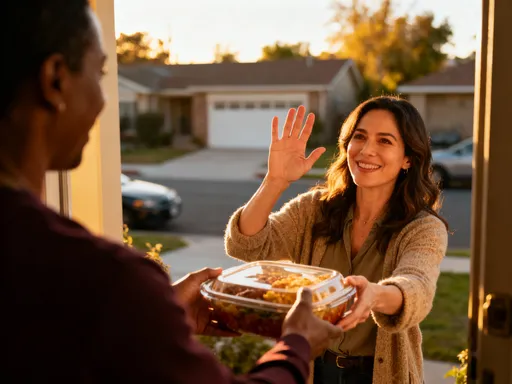
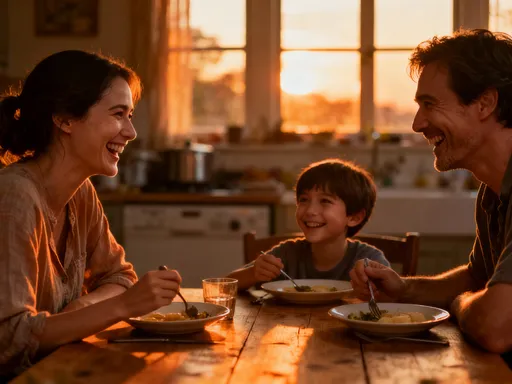
That one request started something bigger. Maria and I began swapping childcare when needed. We’d text ahead: “Can I bring you coffee while I’m out?” or “I’m making extra soup—want some?” It wasn’t formal. No schedules, no rules. Just real, flexible help from someone who lived close enough to walk over. And slowly, we started talking about more than just logistics. We shared stories about our kids, our worries, our dreams. We became allies, not just neighbors.
That’s the quiet power of mutual aid: it builds trust through action. You don’t become friends by exchanging pleasantries. You become connected by showing up. When someone watches your child, brings you tea when you’re sick, or shovels your sidewalk after a storm, they’re saying, “I see you. You matter.” And over time, those small acts add up. They create a web of care that holds us all a little tighter.
Of course, safety is a real concern—especially for women and parents. That’s why most of these apps include features like photo verification, neighborhood-specific groups, and the ability to block or report users. I always meet people in common areas at first, and I never share personal details I’m not comfortable with. But I’ve learned that most people aren’t looking to take advantage—they’re just looking to belong, just like me.
Memory Preservation Through Shared Moments
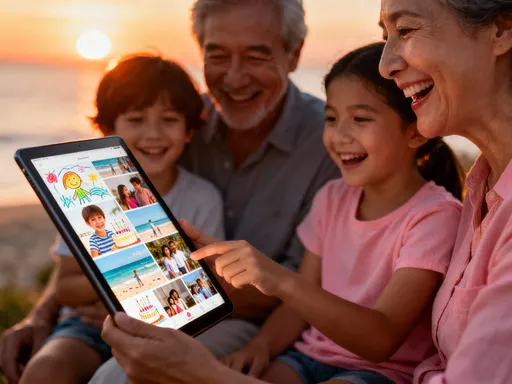
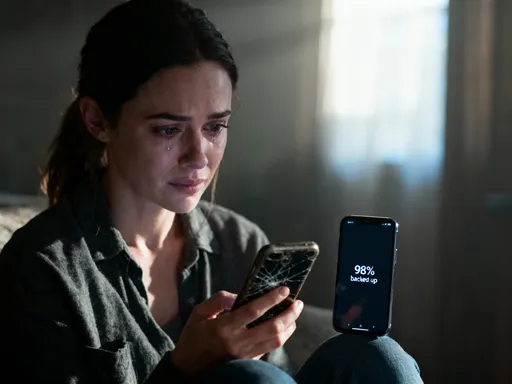
One of the most unexpected gifts of using a mutual aid app has been the way it helps us remember. Not just names or faces, but moments. The app I use has a feature where you can add notes to requests—like a digital memory log. After Maria helped me during that tough week with my son’s fever, I added a note: “Maria brought soup and stayed late. We’re so grateful.” I saved the screenshot. My son drew her a thank-you picture and we scanned it in. Now, when I look back, I don’t just see a request—I see a moment of care.
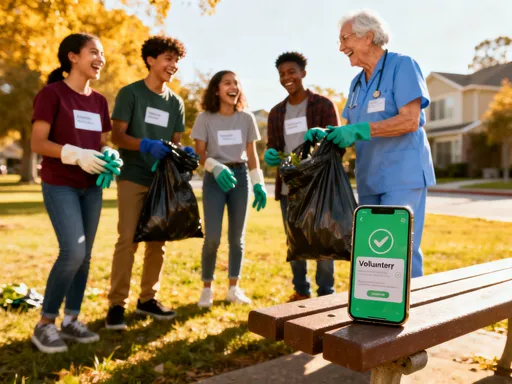
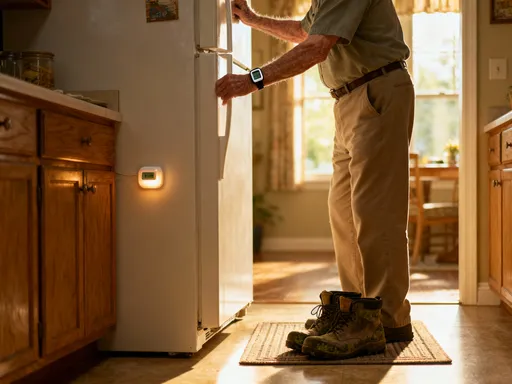
These little records matter. They’re not just data—they’re emotional keepsakes. Last winter, when we had that big snowstorm, Mr. Thompson, our 78-year-old neighbor, couldn’t shovel his walkway. Someone posted a request, and three people showed up with shovels. We took a photo—everyone laughing, snow in their hair—and someone uploaded it with the tag: “First snow shoveling crew, 2024.” Now, that image is pinned to our group’s feed. It’s become part of our neighborhood’s story.
For our kids, this is especially powerful. They’re growing up seeing kindness in action—and seeing it remembered. My daughter talks about “the soup day” like it’s a holiday. She knows that when people help, it’s worth noting. These shared memories create a sense of continuity, like we’re part of something that lasts. And in a world that often feels fleeting, that’s a comfort all its own.
Some families even print out screenshots or make small albums of kind moments. One neighbor started a “Kindness Calendar,” adding one good thing each month—like “May: Elena helped carry Mrs. Lee’s groceries.” It’s not about perfection. It’s about presence. And over time, these memories become a quiet history of care—a digital heirloom we’re all helping to build.
Comfort Isn’t Just Physical—It’s Emotional and Mental Too
We often think of help in practical terms: someone watches your dog, picks up your mail, fixes your sink. But the deeper comfort comes from being seen. From knowing that someone notices when you’re struggling, even if they don’t say anything. Last month, I was going through a hard time—nothing dramatic, just one of those weeks where everything feels heavy. I didn’t post anything about it. But Sarah, the neighbor who helped with my dog, texted me: “I’m grabbing coffee. Want me to bring you a latte? No need to reply—just say yes if you see this.”
I cried when I read that. Not because I needed coffee, but because someone was paying attention. That small gesture—anticipating a need without being asked—was more comforting than any task completed. It reminded me I wasn’t invisible. And that’s the emotional layer of mutual aid: it’s not just about getting help. It’s about feeling held.
These apps create what I call a “soft safety net.” You don’t have to fall to be caught. You just have to exist nearby. When someone remembers your dog’s name, or knows you hate mushrooms in your soup, or waves every morning even when it’s raining, it adds up. It reduces the background hum of anxiety that so many of us carry—especially moms, caregivers, and people managing life on their own.
It’s not about replacing deep friendships. Those still matter deeply. But not everyone has a best friend down the hall. What these apps offer is something different: a circle of light, not a single spotlight. It’s the comfort of knowing that if you whisper, “I’m struggling,” at least one person will hear you. And that changes how you move through the world—with a little more courage, a little less fear.
Making It Work in Real Life: Simple Habits That Build Connection
I’ll be honest—when I first joined the app, I worried I’d be expected to do too much. That I’d become the neighborhood hero, always on call. But what I’ve learned is that mutual aid works best when it’s low-pressure and sustainable. It’s not about doing everything. It’s about doing something, when you can.
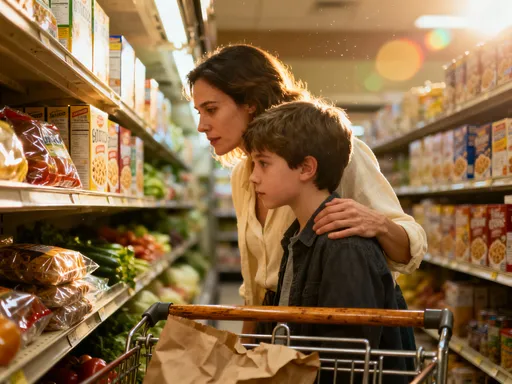
Here’s what’s helped me: I started small. My first offer wasn’t big—I just posted, “I’m going to the grocery store. Can I grab anything for anyone?” That one message led to three requests: cat food for Mrs. Lee, diapers for the new parents upstairs, and almond milk for Sarah. It took me two extra minutes. But the replies I got—“You’re a lifesaver!” “This means so much”—told me I’d done more than buy groceries. I’d sent a message: “I’m here.”
Another habit I’ve built is the “small thank-you.” If I see someone shoveling snow, I’ll text, “Hey, I saw you out there—thanks! Can I bring you some tea?” It’s not transactional. It’s relational. And over time, these tiny exchanges build a rhythm of care. You don’t have to host big events or organize block parties. You just have to notice. To offer. To say, “I see you.”
Setting boundaries is important too. I don’t answer every request. I say no when I’m tired or busy. And that’s okay. The app isn’t about guilt. It’s about generosity on your own terms. One neighbor told me, “I only help when it feels good. If it feels like a chore, I wait.” That mindset has kept me from burning out. Because real connection can’t come from obligation. It has to come from willingness.
And if you’re nervous to start? Try this: post something small you need. “Can anyone recommend a good plumber?” or “Lost my cat—anyone seen a gray tabby?” You’ll be surprised how many people respond. And when they do, say thank you. Name them. Let them know their help mattered. That’s how trust grows—one kind word, one shared moment, at a time.
A Community That Remembers You—And Why That Changes Everything
There’s a quiet magic in being known. Not famous, not important—just seen. When your neighbor greets your dog by name. When someone saves you a tomato from their garden because they know you love them. When a text pops up: “Saw rain in the forecast—covered your bins for you.” These aren’t grand acts. But they carry weight. They say, “You belong here.”
That’s what mutual aid apps have given me—not just help, but a sense of home. They’ve turned my building from a collection of apartments into a community. We still have our privacy. We still keep to ourselves sometimes. But now, when we reach out, we’re met with warmth, not silence. We’ve built something that can’t be measured in tasks completed, but in moments shared.
And in a world that often feels fast and fragmented, that’s revolutionary. We’re not waiting for someone else to fix society. We’re doing it quietly, block by block, request by request. We’re remembering how to care. How to ask. How to show up.
These apps won’t solve every problem. They won’t erase loneliness overnight. But they offer something real: a chance to reconnect, to support, and to be remembered. Not as a user, a customer, or a profile—but as a person. A neighbor. A friend. And sometimes, that’s enough to make all the difference.