From Solo Driver to Team Player: How My Car Taught Me to Connect
Have you ever felt alone on the road, even with a full car? I used to think driving was just about getting from point A to B—until my car started noticing things I didn’t: my tense shoulders, sudden braking, distracted glances. It wasn’t about perfect driving—it was about awareness. Slowly, I began to see how small shifts in my behavior improved not just safety, but how I showed up for my family and coworkers. This is the quiet journey of learning to drive *with* technology, not just *using* it. What started as a routine commute became a mirror, reflecting not just my driving habits, but the way I move through life. And what I discovered changed everything—not because the car was smarter, but because it helped me become more human.
The Lonely Commute: When Driving Felt Like Isolation
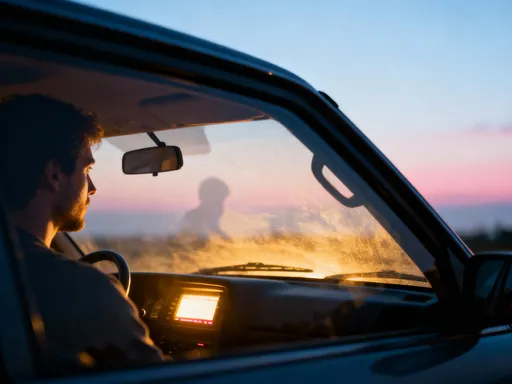
There was a time when my morning drive felt like the start of a long, silent retreat. I’d pull out of the driveway with coffee in hand, kids’ backpacks still scattered in the back, and a to-do list spinning in my head. The engine hummed, the GPS gave directions, and I stared at the road ahead, numb to everything but the next red light. I thought I was being efficient—multitasking, mentally preparing for meetings, replaying last night’s conversation with my teenager. But really, I was disconnecting. The car was just a metal box carrying my body from home to work, and I was already emotionally somewhere else.
What I didn’t realize then was how much that time in the car shaped my mood before I even walked into the office or came home to my family. A sudden lane change by another driver would spike my heart rate. Traffic jams would tighten my jaw. And by the time I parked, I was already carrying a low hum of frustration—one that spilled into my voice when I answered a text from my spouse or snapped at my assistant over a minor scheduling conflict. I thought I was leaving stress behind when I turned the key, but in truth, I was gathering it, one honk, one red light, one aggressive merge at a time.
The irony? I was doing everything to save time and energy, but the drive was draining me instead. I wasn’t just commuting—I was emotionally preparing for battle. And the people who mattered most—my kids, my partner, my team—were on the receiving end of a version of me I didn’t even recognize. It took a gentle alert from my car to wake me up to the truth: driving wasn’t just transportation. It was training ground for how I showed up in the world. And I wasn’t showing up well.
A Gentle Nudge: The First Time My Car Spoke Up
It happened on an ordinary Tuesday. Rain was tapping the windshield, and I was stuck behind a slow-moving truck on a two-lane road. My foot tapped the brake. My hands gripped the wheel. I was mentally calculating how late I’d be if this didn’t clear soon. Then, a soft chime. Not an alarm. Not a flashing red light. Just a calm, neutral voice: “You seemed distracted back there. Take a breath.”
I actually laughed out loud. Was my car scolding me? Was it reading my mind? I glanced around like someone might be watching, half-expecting a prank. But no—it was just the car, using sensors and patterns to notice what I hadn’t: my shallow breathing, my narrowed focus, the way I’d just checked my phone twice in two minutes. It wasn’t judging me. It wasn’t shaming me. It felt… concerned. Like a friend who sees you spiraling and gently says, “Hey. You okay?”
That moment shifted something. I took the breath it suggested. I loosened my grip. I turned on a podcast my daughter had recommended—the one about kindness in small moments. And for the first time in weeks, I arrived at work not flustered, but centered. That small interaction didn’t fix my stress, but it created a pause—a space between stimulus and response. And in that space, I realized: this technology wasn’t here to control me. It was here to care for me. To help me stay present, not just alive, but aware. And that changed how I saw everything—from the dashboard to my daily life.
Learning to Listen: How Feedback Became a Mirror
After that first nudge, I started paying attention. Not just to traffic, but to the quiet feedback my car offered. It didn’t yell. It didn’t punish. It simply noticed: “Smooth braking detected.” “Acceleration steady.” “You took a deep breath after that merge—good job.” At first, I rolled my eyes. Who needs praise for not slamming the gas? But over time, I began to see the pattern. The feedback wasn’t random. It reflected my emotional state.
On Monday mornings, when I was already dreading the week, the system would note frequent hard braking and tense steering. On school drop-off days, it picked up distracted glances—me turning to remind the kids about homework or checking if someone left their lunch behind. But on Friday afternoons, when we were heading to the park or a family dinner, the feedback was different: smoother rides, more consistent speed, even a few “calm driving” alerts. The data wasn’t cold. It was personal. It was telling me when I was present—and when I wasn’t.
I started using these insights like a coach. Instead of seeing the feedback as criticism, I saw it as reflection. If my driving was jerky, maybe I needed to leave earlier. If I was distracted, maybe I should wait to make that call. I wasn’t trying to be a perfect driver—I was trying to be a more aware one. And that awareness began to spill into other areas. I noticed I was listening better in meetings. I caught myself before reacting to a passive-aggressive email. I even started pausing before responding to my teenager’s eye rolls. The car wasn’t fixing me. It was helping me see myself more clearly—one trip, one breath, one gentle reminder at a time.
From Me to We: Shifting My Driving Mindset
There’s a moment most parents know: you’re driving, the kids are in the back, and someone yells, “Mom, slow down!” Not because you’re speeding, but because the turn made their drink tip over or their headphones slid off. I used to brush it off—“I’m driving, not performing.” But as I became more aware of my own stress patterns, I started to wonder: what if I wasn’t just driving the car, but shaping the experience inside it?
That’s when my mindset shifted—from “me” to “we.” I wasn’t just responsible for getting us from place to place. I was responsible for how we *felt* along the way. And the car’s feedback helped me tune into that. Smooth acceleration meant my daughter could keep reading without getting carsick. Predictable braking meant my son could finish his story without being thrown forward. Even when my coworker rode with me, I noticed how steady driving made it easier to talk, to think, to connect.
I began to anticipate needs before they were voiced. I’d ease into turns before the kids could brace themselves. I’d slow down before intersections, not just for safety, but so no one got jolted. The car’s sensors weren’t just tracking my behavior—they were helping me practice empathy. I wasn’t just operating a machine. I was co-creating a shared space, a moving moment of calm in a chaotic day. And that practice—of thinking beyond myself, of adjusting for others—started showing up everywhere. At home, I’d notice when my partner was tired and offer to make dinner without being asked. At work, I’d pause before interrupting, sensing when a colleague needed space to think. The car became my quiet classroom, teaching me that leadership, parenting, and partnership aren’t about control—they’re about connection.
Practicing Patience: Real-Life Moments That Changed Everything
One rainy afternoon, I was driving home from soccer practice. My daughter was in the back, sipping apple juice through a straw. We hit a pothole. The cup tipped. Juice spilled across the seat, dripping onto her shoes. Old me would’ve reacted instantly: “I *told* you to close the lid! Now look what you’ve done!” But this time, something different happened. The car’s voice came through softly: “Stress levels rising. Breathe.”
I felt the tension in my chest. I felt the urge to react. But I took the breath. I glanced in the rearview. My daughter’s eyes were wide—not from the spill, but from fear of my reaction. And in that second, I saw it: she wasn’t being careless. She was nine. She was tired. She was just trying to enjoy her snack. So instead of scolding, I reached into the console, pulled out a pack of wipes, and handed them back. “We’ve got this,” I said. “Accidents happen.”
She exhaled. So did I. And then she said, “Thanks, Mom.” Not “sorry.” Not “you’re not mad?” Just “thanks.” That moment stayed with me. It wasn’t the tech that changed the outcome—it was the pause it created. That one breath gave me space to choose compassion over frustration. And that choice didn’t just repair a moment—it rebuilt trust. Over time, these small resets added up. I started pausing before reacting to messy kitchens, late homework, last-minute changes. I wasn’t perfect. But I was present. And presence, I’ve learned, is the foundation of patience. It’s not about never getting upset. It’s about creating space between the trigger and the response. And sometimes, that space comes from a car that cares enough to remind you to breathe.
Bringing It Home: How Driving Lessons Improved Daily Life
The changes didn’t stay in the car. They followed me into the kitchen, the office, the living room. I started noticing how often I’d interrupt—on calls, during family dinners, even in my own thoughts. I began to listen more, not just to words, but to tone, to pauses, to what wasn’t being said. My husband mentioned it first: “You’ve been… calmer. Like you’re really here.” My boss brought it up in a review: “Your team meetings feel more collaborative lately. You’re drawing people in.” Even my teenage son, who used to shut his door at the first sign of conversation, started lingering in the hallway when I got home, asking about my day.
I wasn’t trying to be a better listener or a more patient leader. I was just applying what I’d learned behind the wheel: slow down, anticipate, respond instead of react. I realized that the skills I was building in the car—awareness, empathy, emotional regulation—were the same ones that make relationships work. The car didn’t fix me. It gave me a safe, low-stakes environment to practice being the person I wanted to be. No audience. No pressure. Just me, the road, and a little voice that cared.
And the more I practiced, the more natural it became. I stopped seeing technology as something cold or intrusive. I saw it as a partner—a quiet ally in my personal growth. It didn’t replace human connection. It made space for it. By helping me manage my own emotions, it freed me to truly see the people around me. That’s the real gift of smart technology—not efficiency, but empathy. Not speed, but presence. And that’s a lesson worth carrying far beyond the driver’s seat.
The Road Ahead: Growing Together, Inside and Outside the Car
Today, driving feels different. It’s not a chore. It’s not a battle. It’s a rhythm—a shared journey between me, my passengers, and the car that helps us move through the world with more grace. The technology hasn’t taken over. It hasn’t made me robotic or dependent. If anything, it’s made me more human. More aware. More connected.
I still get stressed. I still hit traffic. I still have days when the kids argue in the back and I want to pull over and scream. But now, I have tools. A chime. A breath. A reminder that I’m not alone. And more importantly, I’ve learned that growth doesn’t always come from big breakthroughs. It comes from small, consistent feedback—whether it’s from a dashboard, a friend, or a child’s quiet “thanks” after a spill.
What started as a simple drive has become a daily practice in presence, patience, and partnership. The car didn’t change my life. It helped me change it—by giving me space to notice, to reflect, to grow. And as I keep learning, I see how technology, when designed with care, can do more than move us from place to place. It can help us move toward each other. It can remind us to breathe, to listen, to show up. Not perfectly. But truly. And that’s the kind of journey that doesn’t end when the engine turns off. It’s the kind that keeps going—into our homes, our workplaces, our relationships. One mindful mile at a time.