I kept losing my photos: How one tap finally gave me peace of mind
Have you ever scrolled through your phone, only to realize your last family vacation photos are gone? You're not alone. We’ve all felt that panic when a device crashes or gets lost. But what if backing up didn’t have to be confusing or stressful? I used to put it off too—until I found a way that’s so simple, it feels like setting a reminder. Now, I never worry about losing memories again. Let me show you how.
The Moment Everything Vanished
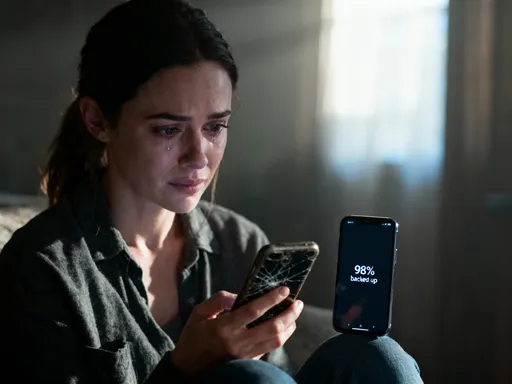
I remember the exact moment my heart dropped. My daughter had just taken her first steps—wobbly, arms out, a giggle on her lips—and I’d recorded the whole thing on my phone. Later that night, while showing the video to my sister, the screen went black. I tried restarting. Nothing. A few hours later, at the repair shop, the technician looked up and said, 'I'm sorry. The data's gone.'
I walked out with a working phone but a hollow feeling in my chest. That video wasn’t just a clip. It was a milestone. A memory I’d wanted to show her when she grew up. And it was gone. Not because I didn’t care, but because I kept saying, 'I’ll back it up tomorrow.'
It wasn’t just that video. Messages from my mom before she moved overseas. A photo of my husband holding our newborn, eyes wide with wonder. Screenshots of birthday wishes from friends who’ve since moved away. All gone. I realized then how much of my life had been stored in something as fragile as a phone’s memory. We carry our history in our pockets, yet so many of us—myself included—treat digital safety like an afterthought.
That loss changed me. Not because I suddenly became tech-savvy overnight, but because I finally understood what was at stake. It wasn’t about storage space or settings. It was about protecting the moments that matter. The kind of moments you can’t recreate. And the sad truth? Most of us don’t take action until something breaks. Until a screen goes dark. Until a message says, 'File not found.'
Why We Keep Saying “Later”
If you’ve ever put off backing up your phone, you’re not lazy. You’re human. We all do it. We lock our doors at night, set alarms, and check the stove twice—but how many of us actually back up our phones regularly? It’s not that we don’t care. It’s that we don’t know where to start, or we think it’s too complicated, or we assume it’ll take hours we don’t have.
I used to think backing up meant connecting cables, dragging folders, and hoping nothing went wrong. I imagined spreadsheets and confusing menus. So I kept putting it off. 'I’ll do it this weekend,' I’d say. Then the weekend came and went. Sound familiar?
There’s also a quiet fear that creeps in. 'Is the cloud safe?' 'What if someone hacks my account?' 'Will my photos be stored somewhere I can’t control?' These worries aren’t silly—they’re real. But here’s what I’ve learned: not backing up is riskier than any myth about the cloud. Losing everything is a certainty if you wait long enough. And the truth is, modern backup tools are designed with safety in mind. They encrypt your data, store it securely, and only you hold the key.
Another reason we delay? We think our phones are safe. 'I haven’t dropped it in years,' we tell ourselves. 'I have a case. I’m careful.' But life happens. Phones get water damage. Kids grab them and toss them. Updates go wrong. Theft happens. And when it does, all that data—your memories, your messages, your calendar—can vanish in seconds. We protect our homes, our cars, our health. Why not our digital lives?
The 'later' trap is powerful because it feels harmless. But every time we say 'later,' we’re gambling with irreplaceable moments. And the house always wins.
What Backup Really Means (Without the Tech Talk)
Let’s cut through the noise. What does 'backing up your phone' actually mean? Think of it like this: it’s making a copy of your phone’s entire life and storing it somewhere safe. Like how you might keep a spare key under the mat, or save a printed copy of an important document. Only this copy holds everything—photos, messages, contacts, notes, even the way your apps are set up.
Imagine you have a photo album on your coffee table. You love flipping through it with your kids, remembering birthdays and holidays. Now imagine someone accidentally spills coffee on it. If you had a second album stored in a drawer, you wouldn’t panic. You’d just grab the backup. That’s what digital backup does—but for your phone.
The best part? You don’t have to do it manually. Modern backup tools work quietly in the background, like a silent helper. While you sleep, while you cook dinner, while you’re out walking the dog, your phone can be sending copies of your latest moments to a secure place. No effort. No reminders. Just peace of mind.
And it’s not just photos. Think about the text from your sister saying, 'I’m so proud of you.' Or the voice memo you recorded of your mom singing that old lullaby. Or the notes from your daughter’s school play. These aren’t just files. They’re pieces of your story. When you back up your phone, you’re not saving data—you’re preserving your family’s history.
Most phones today come with built-in backup options. Whether you use an iPhone or an Android, the tools are already there. You just need to turn them on. And once you do, your phone starts protecting itself—automatically, every day, without you lifting a finger.
The One Thing That Changed Everything: Watching It Work
I’ll tell you what finally made me stop procrastinating: I could see it happening. Before, backup felt like a black box. I’d hear 'Your phone is backed up,' but I didn’t know what that meant. Was it complete? Was it recent? Did it include my videos? I had no idea. So I didn’t trust it.
Then I found a backup system that showed me a progress bar. A simple, clear bar that said, '87% done. Last backup: tonight at 2:14 AM.' Just seeing that tiny message changed everything. It wasn’t magic. It wasn’t flashy. But it gave me something powerful: confidence.
Now, instead of wondering, 'Did it work?' I can check. It’s like watching the dishwasher finish its cycle. You don’t have to open it every five minutes. You just glance at the light and know. That small bit of visibility—knowing what’s saved, what’s left, and when it last ran—removed the doubt. And when you trust the system, you stop resisting it.
Think about it. When you set a timer for the oven, you don’t stand there watching. You go about your day, knowing you’ll hear the beep. Backup should feel the same. With a clear progress indicator, it stops being a mystery and starts being a habit. You don’t have to remember to do it. You just need to know it’s happening.
That’s the shift. From fear to trust. From uncertainty to relief. And it all started with a simple bar on the screen.
How to Set It Up in Less Than 10 Minutes
Here’s the good news: setting up automatic backup with progress tracking doesn’t require a tech degree. It’s easier than ordering takeout. And it takes less time than brushing your teeth.
First, make sure your phone is connected to Wi-Fi. That’s important—backup uses data, and you don’t want it eating into your monthly plan. Then, go to your phone’s settings. On an iPhone, it’s under 'Apple ID' > 'iCloud' > 'iCloud Backup.' On most Android phones, it’s in 'Google Account' > 'Backup.' You’ll see an option to turn on automatic backup. Flip the switch. That’s step one.
Next, check if your phone shows backup progress. On newer models, you’ll see a message like 'Backed up 2 hours ago' or a progress bar in the settings. If you don’t see it, look for apps or settings that offer clearer tracking. Some phones even send a notification when backup is complete. That little 'ding' is more comforting than you’d think.
Now, pick a time when your phone is usually charging and connected to Wi-Fi—like overnight. That way, backup happens when you’re not using the phone. No slowdown. No interruptions. Just quiet protection.
And that’s it. You’re done. No cables. No complicated steps. No monthly fees. Just a simple setup that works silently, day after day.
I remember the first time I showed my sister. She watched the progress bar fill up and said, 'Wait, that’s it?' I smiled. 'Yep. Now your phone backs itself up while you sleep.' She looked at me like I’d given her a superpower. And in a way, I had.
The Quiet Confidence It Brings
Here’s what no one tells you about backup: it changes how you feel every day. It’s not just about saving files. It’s about lifting a weight you didn’t know you were carrying.
Now, when I wake up, I don’t worry about my phone dying. When I travel, I don’t stress if I leave it behind. When I upgrade to a new phone, I don’t dread setting it up. Everything comes back—photos, messages, even my notes app with the grocery list from last week. It just… works.
That quiet confidence seeps into everything. I take more photos. I save more voice memos. I let my kids play games on my phone without fear of losing progress. I’m freer. Lighter. Because I know my memories are safe.
And it’s not just practical. It’s emotional. Last month, my niece asked to see videos of her baby brother’s first bath. I pulled them up in seconds. Her face lit up. 'I was there!' she said. 'But I forgot how tiny he was.' In that moment, I realized: I wasn’t just showing her a video. I was giving her a piece of her family’s story. And that story is still here because I finally took the time to protect it.
That’s the real gift of backup. It’s not about technology. It’s about connection. About being able to say, 'Here, let me show you'—years from now, when the kids are grown, when life has changed, when you need to remember how it felt.
Making It a Part of Your Life (Without Thinking)
The best habits are the ones you don’t have to remember. Backup should be like that. Not a chore. Not a task on your to-do list. Just a quiet part of your routine, like locking the door or charging your phone.
Here’s how to make it stick: link it to something you already do. Every night, when you plug in your phone to charge, know that it’s also backing up. That simple act—plugging in—becomes a tiny ritual of care. You’re not just powering the battery. You’re protecting your memories.
If you want an extra nudge, set a gentle reminder once a month. Just a note that says, 'Check your backup.' Open the settings, look at the progress, make sure it’s running. It takes 30 seconds. Think of it as digital self-care—like checking your smoke detector or updating your passwords.
And if you ever switch phones, don’t panic. With backup on, your new device can restore everything in minutes. Your photos, your messages, your favorite apps—they’ll feel like home from the start. No starting over. No lost history.
The most beautiful tech isn’t the flashiest. It’s the kind that works without demanding your attention. It’s the app that reminds you to drink water. The watch that tracks your steps. The phone that backs itself up while you sleep. These small things add up. They don’t just make life easier. They make it richer.
So if you’ve been putting this off, I get it. I was there too. But you don’t need to be perfect. You don’t need to understand every detail. You just need to take one step. Turn on backup. See it work. Let it run.
Because one day, you’ll want to show someone a video of a wobbly first step, or a quiet moment at the kitchen table, or a sunset from a family trip. And when you do, you’ll be so glad you did.