From Strangers to Neighbors: How Smart Homes Sparked Real Connections
Living alone used to mean silence—until my coffee maker knew more about my mornings than my neighbors did. It sounds funny, but our smart devices, meant to make life easier, often leave us more isolated. What if, instead, they could help us build real human connections? This is the story of how turning on a smart light led to shared dinners, laughter in hallways, and friendships I never expected. I didn’t plan for any of it. But looking back, I realize that the very tools we use to simplify our days quietly helped me open my heart to the people just a few doors away. And maybe, just maybe, that’s the real magic of modern living.
The Lonely Side of Smart Living
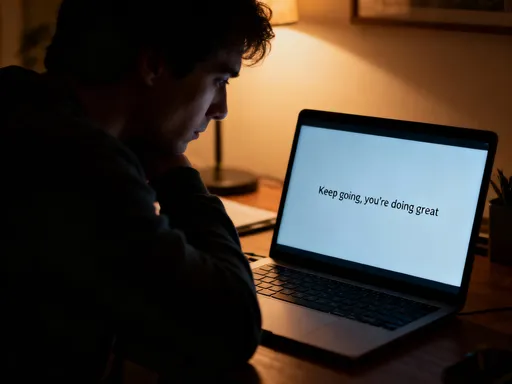
When I first moved into my apartment, I thought I had it all figured out. I installed smart lights, a voice-controlled thermostat, and even a robot vacuum that mapped the floors like a tiny explorer. Every morning, my coffee started brewing the moment my alarm turned off. Music would rise gently from the speaker, matching the sunrise. It felt like living in the future—smooth, efficient, perfectly tailored to me. But after a few weeks, something felt off. The apartment was too quiet. The silence wasn’t peaceful anymore; it was heavy. I realized I hadn’t spoken to anyone face-to-face in three days. My phone buzzed with notifications, but no one knocked on my door. My smart speaker could answer any question, but it couldn’t laugh with me.
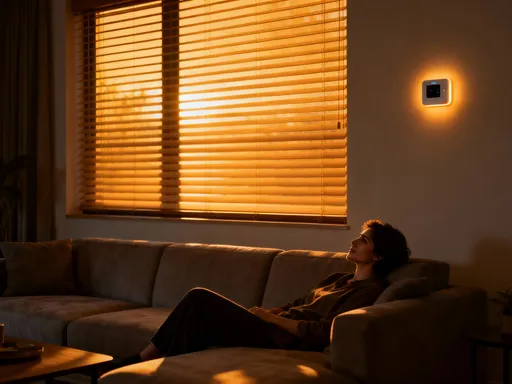
It hit me one evening as I watched my smart blinds lower automatically. I was alone, again. And I started to wonder—how many of us are living like this? We’ve built homes that respond to our every need, but we’ve forgotten to build connections with the people around us. Our routines are optimized, but our relationships aren’t. We can control the temperature with a tap, but we don’t know if the person next door is feeling unwell. Technology promised convenience, and it delivered—but at what cost? I wasn’t just saving time. I was saving it all for myself. And that’s when I began to see the irony: we’re more connected to our devices than to our neighbors.
It’s not that we don’t want to connect. Life is busy. We work long hours. We’re tired. And honestly, it’s easier to text than to knock. But the more we outsource our interactions to screens and sensors, the more we lose the small, spontaneous moments that build trust and warmth. A smile in the hallway. A quick chat about the weather. Offering sugar because someone ran out. These tiny exchanges matter. They’re the glue of community. And I realized, standing in my perfectly lit, perfectly quiet living room, that I missed them. I missed people.
A Mistake That Started a Conversation
It happened on a rainy Tuesday morning. I was getting ready for work, rushing through my routine—brushing my teeth, packing my bag, muttering commands to my smart speaker. “Play morning news,” I said, a little too loud. The speaker responded at full volume: “Playing BBC News.” At that exact moment, my neighbor, Maria, walked past my open door on her way out. The sound startled her, and she jumped, then laughed. I froze, embarrassed. “Oh no! I’m so sorry!” I called out. She waved it off. “No worries! But does yours do that every morning?”
That simple question changed everything. I told her how the speaker sometimes overreacts if I speak too fast. She nodded and said, “Mine does the same! It thinks ‘turn on the light’ means ‘blast music at sunrise.’” We both laughed, and for the first time, we stood there, just talking. Not about the weather. Not about the rain. But about our gadgets, our habits, our little frustrations. It felt easy. Natural. Like we’d known each other longer than the few polite nods we’d exchanged in the elevator.
That day, we didn’t solve any tech problems. But we planted a seed. Later that week, she texted me: “Hey, did you figure out how to lower the speaker’s sensitivity?” I hadn’t, but I looked it up and sent her the steps. Then she sent me a tip about her smart lights syncing with sunset. We were helping each other—small things, but meaningful. What started as a glitch became a bridge. And I began to see that our shared tech struggles weren’t just annoyances. They were common ground. They gave us something safe, neutral, and relatable to talk about. No pressure. No awkwardness. Just two people figuring things out together.
Shared Routines, Shared Lives
As our chats became more frequent, we started comparing our smart home setups. I told her how I used a sunrise alarm to wake up gently. She said she did the same but added a smart diffuser that released lavender scent at the same time. “It’s like a spa every morning,” she said. I loved that. We talked about bedtime routines—how her kids ignored curfews until she linked their room lights to a timer. “Now, when the lights dim, they know it’s time to wind down,” she said. I shared how I used a smart plug to turn off my TV automatically at 10 p.m. “Prevents late-night scrolling,” I admitted.
These conversations weren’t just about gadgets. They were about our lives. When we talked about sleep schedules, we ended up discussing how hard it is to rest when your mind won’t shut off. When we compared energy-saving modes, we shared stories about high electricity bills and trying to be more eco-friendly. Maria mentioned how hard it was to keep up with housework after work. I told her about feeling guilty for not cooking more. Slowly, our tech talk became life talk. And it didn’t feel forced. It flowed—because the technology was part of our daily rhythms. It was already woven into our stories. So talking about it felt like sharing a piece of ourselves.
I realized that smart devices, for all their automation, don’t live in a vacuum. They reflect our habits, our values, our priorities. And when we share how we use them, we’re really saying, “This is how I care for myself. This is what makes my day easier. This is what I struggle with.” That kind of honesty builds trust. It says, “I see you. I get it.” And that’s how real conversations begin—not with grand gestures, but with small, honest moments.
The Front Door That Opened Wider
The next turning point came with a package. I’d ordered a small lamp online, and the delivery alert popped up on my phone. I rushed downstairs, only to find Maria waiting by my door, holding a box. “Yours was left on my step,” she said. “I figured it was yours—same store logo.” I thanked her, and as I took the package, I noticed another box in her hand. “Yours was left at my door too,” I said. We both laughed. “We’re like package twins,” she joked.
That little mix-up made us think: what if we could avoid this in the future? We decided to share our delivery notifications through a simple group message. Just a quick text when a package arrived. But it didn’t stop there. When I went out of town for a week, Maria offered to collect my mail. In return, I watered her plants while she visited her sister. We started checking in through our smart doorbells—“Saw someone at your door, but I didn’t answer—figured it was safe.” These weren’t grand favors. They were small acts of care. But they mattered.
What surprised me most was how much safer I felt. Knowing someone was keeping an eye out changed everything. I didn’t have to worry about a lost package or a suspicious visitor. And Maria said the same. “It’s not just about the deliveries,” she told me. “It’s knowing someone notices if I’m not around.” That hit me deeply. In a world where we often feel invisible, being seen—even in small ways—brings comfort. Our smart doorbells didn’t just show us who was at the door. They helped us become neighbors in the truest sense.
From Devices to Dinners
The first dinner invitation came out of nowhere. I got a smart plug alert: “Living room devices will turn off in 10 minutes.” I was about to unplug my lamp and charger when my phone buzzed. It was Maria: “Got the same alert. Want to come over before everything shuts down?” I hesitated—just for a second—then said yes.
That night, I brought a salad. She made pasta. We ate at her small kitchen table, talking about everything—her daughter’s school project, my new job, the weird noise my fridge had been making. We laughed about how our homes were trying to “protect” us by cutting power, as if we were children forgetting to turn off the lights. “Next time,” she said, “let’s call it ‘Unplugged Night.’” And we did. It became a monthly thing—rotating between our apartments, always scheduled around a shared smart reminder.
Those dinners became more than meals. They became rituals. We invited other neighbors. Some used smart thermostats, others had security cameras. We compared notes, helped each other troubleshoot, but mostly—we connected. We shared recipes, babysitting tips, even gardening advice. One evening, an older neighbor admitted she’d never set up her voice assistant. Two of us stayed after dinner to help her. Watching her say “Play my music” for the first time—and hearing her favorite old song fill the room—was one of the most joyful moments I’ve had in this building.
Building Community, One Update at a Time
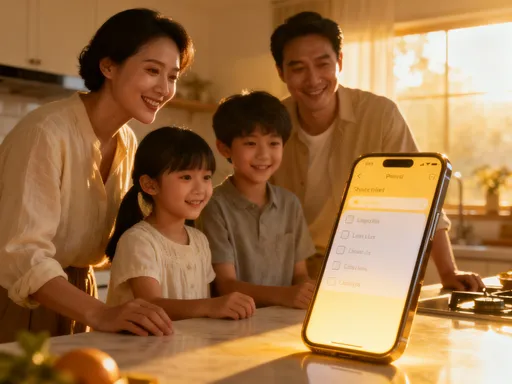
As more people joined our little gatherings, we created a private group chat. At first, it was just for tech tips—“How do I reset my smart bulb?” or “Does anyone know when the new software update drops?” But soon, the messages changed. “Can someone pick up my prescription?” “I have extra tomatoes—anyone want some?” “Happy birthday, Mrs. Lee!” We weren’t just sharing tech knowledge. We were building a support system.
When a winter storm knocked out power in part of the building, we used the chat to check on each other. Those with generators offered to charge phones. Someone shared a portable heater. We made sure the elderly residents were warm and had food. The chat, born from a love of smart devices, became a lifeline. It wasn’t flashy. No AI, no algorithms. Just people looking out for one another.
I realized then that technology doesn’t create community. People do. But tools—when used with intention—can make it easier to connect. They give us excuses to reach out. They provide common topics. They help us notice each other. A firmware update reminder led to a check-in. A shared camera alert led to a conversation. A smart lock code shared for a trusted neighbor became a symbol of trust. These small digital touches paved the way for real human warmth.
The Real Intelligence Was Human All Along
Today, my smart home still works quietly in the background. My lights turn on at dusk. My coffee brews at 7 a.m. My vacuum glides across the floor while I’m at work. But the thing that brings me the most joy isn’t any of that. It’s the knock on my door. It’s Maria calling to say dinner’s ready. It’s the group chat buzzing with birthday wishes. It’s knowing that when I travel, someone will water my herbs. These are the things no device can automate. These are the things that make a house a home.
I used to think smart technology was about control—about making life run smoothly without effort. Now I see it differently. The most powerful feature isn’t voice control or remote access. It’s the way it can bring us closer to the people around us. It’s not about replacing human interaction. It’s about inviting it in. A glitch becomes a laugh. A notification becomes a reason to connect. A shared setting becomes a shared moment.
If you’re standing in your quiet, perfectly automated home, wondering why it still feels empty, I get it. I’ve been there. But maybe the fix isn’t another gadget. Maybe it’s as simple as leaving your door open—literally or figuratively. Share a tip. Laugh at a mistake. Offer to help. Let your tech be the starting point, not the endpoint. Because the real intelligence—the kind that warms your heart, that makes you feel seen and cared for—has always been human. And sometimes, it just takes a smart speaker saying the wrong thing at the right time to remind us of that truth.