Tired of Stuffy Rooms and Sky-High Bills? Smart Windows That Work *With* Your Life, Not Against It
We’ve all been there—waking up to a bedroom that feels like a greenhouse, or leaving the house only to wonder, “Did I close the living room window before the rain started?” You’re not careless; you’re just busy. And yet, something as simple as managing windows can quietly drain your energy, comfort, and even your wallet. What if your windows could adapt to your life instead of demanding your attention? What if they could help you breathe easier, sleep better, and save money—without asking for anything in return? That’s not a fantasy. It’s happening in homes just like yours, and it starts with one quiet revolution: smart windows.
The Unseen Struggle: How Everyday Window Habits Are Working Against You
Let’s be honest—windows don’t usually top our home improvement list. They’re just there, right? We open them when it’s hot, close them when it rains, and forget about them the rest of the time. But that “set it and forget it” mindset might be costing you more than you realize. Every time you crack a window for fresh air without thinking about airflow, you might actually be trapping stale air and allergens inside. Every night you leave a window open to cool the house, you could be inviting in humidity that makes your bedroom feel sticky by morning—or worse, pests that don’t RSVP.
And then there’s the energy piece. Did you know that up to 30% of a home’s heating and cooling energy is lost through inefficient windows? That’s not just an abstract number—it shows up in your utility bill every month. You run the AC all day, but the sun blazing through the living room window turns the couch into a sauna. So you lower the thermostat, but now the system works harder, driving costs up and comfort down. It’s a cycle many of us accept because we don’t know there’s another way.
But here’s the thing: these aren’t failures on your part. You’re not doing anything wrong. You’re just managing a home the way most of us were taught—manually, reactively, and often too late. The real issue isn’t you; it’s the tools. Windows haven’t changed much in decades, even though our lives have become more complex, our climates more unpredictable, and our need for comfort and efficiency more urgent. We’re trying to solve 21st-century problems with 20th-century solutions. No wonder we’re exhausted.
What if your home could take some of that mental load off your shoulders? Not in a flashy, futuristic way, but in a quiet, thoughtful way—like a partner who remembers to close the garage door or turns down the heat at night. That’s exactly what smart windows are designed to do. They don’t replace you; they support you. And once you see how much they can do, you might wonder how you ever lived without them.
Myth vs. Reality: Common Misconceptions About Smart Windows
Now, I know what you might be thinking. “Smart windows? That sounds expensive.” Or, “Isn’t that just for people who have robot vacuums and fridges that order milk?” I get it. The word “smart” can feel intimidating, like it’s meant for tech geeks or people with endless budgets. But here’s the truth: smart windows aren’t about showing off. They’re about solving real problems in real homes—homes with kids, pets, laundry piles, and busy schedules.
One of the biggest myths is that smart windows mean replacing all your glass with high-tech, auto-tinting panes. While that option exists, it’s not the only one—and it’s definitely not where you have to start. Many smart window systems are designed to work with your existing windows. Think of small motorized openers that fit over your current sashes, or sensors that attach magnetically and connect to an app. You don’t need to tear out frames or hire a contractor. In most cases, you can install them yourself in under an hour.
Another misconception is that smart windows are only for new construction or luxury homes. But the reality is, they’re often *more* valuable in older homes—where insulation is weaker, drafts are common, and temperature control is a constant battle. A smart window system can help balance those challenges by responding to conditions in real time, not just your memory or schedule.
And let’s talk about cost. Yes, there’s an upfront investment, but think of it like buying a programmable thermostat years ago—what seemed like a luxury is now standard because it saves money and improves comfort. Smart windows do the same. They pay for themselves over time by reducing energy use, protecting furniture from sun damage, and even helping you avoid costly repairs from rain damage when a window is left open by accident. It’s not about spending more—it’s about spending smarter.
How Smart Windows Actually Work—Without the Tech Jargon
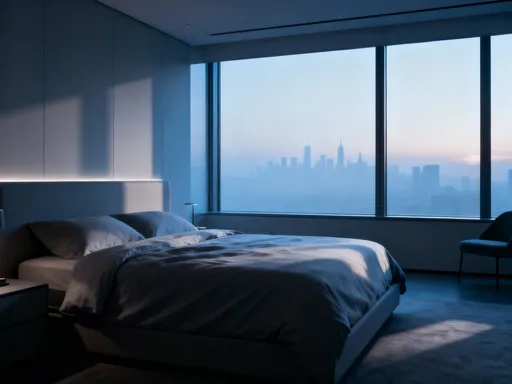
Okay, so how do they actually work? I promise, no tech dictionary required. Imagine your windows could sense when the sun is about to hit your kitchen table at 3 p.m. and gently tint the glass to block the glare—so you don’t have to get up and close the blinds. Or picture your bedroom window opening slightly at 2 a.m. when the outside air is cool and fresh, then closing automatically at 5 a.m. before the city heats up and the noise begins. That’s not magic. That’s smart windows using simple sensors and smart logic to make your life easier.
Most systems use a combination of temperature, humidity, sunlight, and air quality sensors. Some even connect to your local weather forecast. So if rain is coming, your windows can close before a single drop gets in. If indoor air feels stuffy, they can open just enough to let in fresh air—without creating a draft. The technology adjusts based on what’s happening around you, not just what you tell it to do.
And here’s the best part: you don’t have to be a programmer to use them. Many apps let you set rules in plain English. For example, “Close the windows when it starts to rain” or “Open the bedroom window when the temperature drops below 68°F at night.” Some systems even learn from your habits. If you always open the kitchen window after cooking, it can start suggesting that as a routine. Over time, it becomes less about control and more about partnership.
You can also connect them to other smart devices in your home. Want your air purifier to turn on when the window closes? Done. Want your lights to dim when the sun starts to fade? Easy. These aren’t just gadgets—they’re pieces of a home that works together, quietly and thoughtfully, to support your well-being.
Real-Life Wins: Smarter Air, Better Sleep, and Calmer Mornings
Let’s talk about what this actually feels like in real life. Sarah, a mom of two in Ohio, told me she used to wake up every summer morning drenched in sweat. Her kids’ rooms were stuffy, and she’d spend the first hour of the day opening and closing windows, adjusting fans, and hoping the house would cool down. Then she installed a simple smart ventilation system in the bedrooms. Now, the windows open at 2 a.m. when it’s cool outside and close by 6 a.m. She wakes up to fresh, comfortable air—and so do her kids. “It’s like we’re finally sleeping again,” she said.
Then there’s Mark, a retired teacher in Oregon, who loves fresh air but hates the dampness that comes with it. In the winter, he was constantly battling mold in the bathroom and condensation on the windows. After adding humidity-sensitive window controls, his bathroom window now opens just a crack when the shower ends—long enough to clear the steam, but not so long that the room gets cold. “I don’t have to remember. It just happens,” he told me. “And my wife hasn’t complained about the mirror fogging up in months.”
And for families with allergies, the benefits can be even more noticeable. Pollen counts are higher than ever, and opening windows at the wrong time can turn a home into a trigger zone. Smart windows can be programmed to avoid opening during peak pollen hours—say, between 10 a.m. and 4 p.m.—and instead ventilate early in the morning or late at night when the air is cleaner. One user shared that her daughter’s allergy symptoms dropped by half after they made this simple change. “We didn’t move cities or buy a new air filter. We just stopped letting pollen in at the worst times,” she said.
These aren’t extreme cases. They’re everyday people solving everyday problems with tools that fit into their lives—not take over. And the emotional payoff is just as important as the physical one. There’s a deep sense of relief that comes from knowing your home is looking out for you. It’s not just about comfort. It’s about peace of mind.
Making It Personal: How to Match Smart Windows to Your Lifestyle
One of the things I love most about smart windows is how flexible they are. They’re not one-size-fits-all. They adapt to *you*, not the other way around. If you work from home, you might set your office window to tint automatically when the afternoon sun hits your screen—no more squinting or adjusting blinds during Zoom calls. If you have young kids, you can set safety limits so windows only open a few inches, just enough for airflow but not enough for little hands to climb.
Some people use geofencing, which means the windows respond to your phone’s location. As you drive home, the system can open the kitchen window to let in fresh air before you walk in. Or, as you leave for work, it closes everything up—no more double-checking before you back out of the driveway. It’s like having a quiet helper who knows your rhythm.
Others link their windows to air quality monitors. If indoor CO2 levels rise during a family movie night, the system can crack a window in the living room to refresh the air—so no one feels drowsy or headachy. Or, if your air purifier detects high particle levels, the windows stay closed even if it’s a nice day outside. It’s not about cutting off fresh air; it’s about bringing it in at the right time.
The key is to start small. You don’t have to automate every window in the house on day one. Pick one room—maybe your bedroom or home office—and see how it feels. Try one routine, like “cool at night, seal in the morning,” and adjust as you go. What works for a city apartment might not work for a rural farmhouse, and that’s okay. The goal isn’t perfection. It’s progress—toward a home that feels more in sync with your life.
Easy Setup, Real Results: Getting Started Without Overwhelm
I know the idea of adding “smart” to your home can feel overwhelming. Will it take days to install? Do I need a degree in engineering? Will it break and leave me stranded? Let me ease your mind: most smart window systems are designed for regular people—people who just want their homes to work better.
Take motorized window actuators, for example. These are small devices that attach to your existing window frame and gently push it open or closed. They run on batteries or low-voltage power and connect to an app via Wi-Fi or Bluetooth. Installation usually takes less than an hour, requires no drilling, and leaves no permanent marks. You can remove them if you move or decide you don’t like them. Many brands offer step-by-step video guides, and customer support is often just a chat away.
The apps are designed to be simple, too. Instead of confusing menus, you get clear prompts like “Set your window to open when indoor air is stuffy” or “Close when rain is forecasted.” You can test the system with a single tap, see real-time data, and even get alerts if something unusual happens—like a window failing to close.
And the results? They’re measurable. One study found that homes using automated window ventilation saw up to a 15% reduction in air conditioning use during summer months. Another user shared that her heating bills dropped by 10% after installing smart controls that prevented heat loss from accidentally left-open windows. These aren’t wild claims—they’re real savings, visible in real bills.
Plus, many systems generate monthly reports that show you how much fresh air you’ve brought in, how often the windows opened, and how much energy you’ve saved. It’s not just about comfort. It’s about seeing the difference—and feeling good about it.
Beyond Convenience: The Quiet Confidence of a Home That Cares
At the end of the day, smart windows aren’t really about technology. They’re about care. They’re about creating a home that pays attention—so you don’t have to. They’re about waking up without that nagging worry: “Did I close the window?” or “Is the house too hot for the kids?” They’re about giving you back time, energy, and mental space—things we all need more of.
There’s a quiet confidence that comes from living in a home that supports you. It’s not loud or flashy. It doesn’t demand your attention. But it’s there—when the air feels fresh without you lifting a finger, when the room stays cool without the AC blasting, when you leave the house and know everything is secure, even if you didn’t double-check.
And in a world that often feels too fast, too loud, and too demanding, that kind of peace is priceless. Smart windows don’t solve every problem. But they do solve a real one—one that affects your health, your comfort, and your wallet. And in doing so, they help you create a home that’s not just smarter, but kinder.
So if you’ve ever felt like your home is working against you, take a moment to consider the windows. They might be the quietest upgrade you ever make—and the one that makes the loudest difference.