Salt Smart, Not Starved: How I Cracked the Low-Salt Diet Game Without Killing Flavor
Living with high blood pressure scared me—doctors pointed to salt, but I didn’t want bland food for life. I’ve been there: staring at a boring plate, missing the zing. But after testing combos that actually work, I found a better way. This isn’t about restriction; it’s about smart swaps and bold flavors that protect your heart without sacrificing taste. What began as a medical necessity turned into a culinary awakening. I learned that flavor isn’t locked in a salt shaker. It lives in the sizzle of garlic, the brightness of lemon, the warmth of cumin. And most importantly, I discovered that eating well for my health didn’t mean giving up joy at the dinner table.
The Wake-Up Call: Why Salt Became My Enemy
It started with a routine checkup. The numbers on the blood pressure monitor didn’t lie: 150 over 95. My doctor’s tone was calm but firm. “You’re in the high-risk zone,” she said. “We need to talk about sodium.” At first, I brushed it off. I didn’t feel sick. I wasn’t overweight. But then she explained how excess salt quietly damages the body over time. Sodium pulls water into the bloodstream, increasing blood volume. More volume means more pressure against artery walls. Over years, that pressure wears down the delicate lining of blood vessels, making them stiff and narrow. It’s like overinflating a bike tire—eventually, something gives.
Heart strain follows. The heart must pump harder to push blood through tight arteries, leading to thickening of the heart muscle, especially in the left ventricle. This condition, known as left ventricular hypertrophy, is a major risk factor for heart failure and stroke. According to the American Heart Association, nearly half of adults in the U.S. have high blood pressure, and excess sodium intake is a leading dietary contributor. The average American consumes about 3,400 milligrams of sodium daily—far above the recommended limit of 2,300 mg, and even further from the ideal target of 1,500 mg for those with hypertension.
For me, the turning point wasn’t just the numbers. It was realizing that my habits were fueling the problem. I didn’t add salt at the table, but I ate a lot of convenience foods—frozen dinners, canned soups, store-bought sauces, and packaged snacks. These items are often loaded with hidden sodium, sometimes delivering more than half the daily limit in a single serving. I also underestimated how much salt was in bread, breakfast cereals, and even some yogurts. The wake-up call wasn’t dramatic, but it was urgent. I didn’t want to rely on medication for the rest of my life. I wanted to make changes that mattered—changes I could live with, not just survive.
The Myth of Bland: Why Low-Salt Doesn’t Mean No-Flavor
When I first considered cutting salt, my biggest fear wasn’t failing—it was flavorlessness. I pictured dry chicken, mushy vegetables, and plain rice. I imagined every meal tasting like a hospital cafeteria. But what I didn’t realize was that years of high-sodium eating had dulled my taste buds. Salt, in large amounts, doesn’t enhance flavor—it masks it. It overwhelms the subtle sweetness of carrots, the earthiness of mushrooms, the natural umami in tomatoes. Once I reduced sodium, something surprising happened: food started tasting more like itself.
Within two to three weeks, my palate began to adjust. Scientists explain this through sensory adaptation. Taste receptors recalibrate when exposed to lower sodium levels. A study published in the journal Hypertension found that participants who gradually reduced salt intake over several weeks reported increased sensitivity to saltiness and greater enjoyment of low-sodium foods. In other words, the less salt you eat, the less you need to feel satisfied. This shift isn’t instant, but it’s real. I started noticing flavors I’d missed for years—the slight bitterness in kale, the floral notes in fresh basil, the nutty depth of brown rice.
This sensory re-education changed everything. I stopped thinking of low-salt eating as a punishment and began to see it as a rediscovery. Flavor isn’t a single note—it’s a symphony. Sweet, sour, bitter, umami, and aromatic complexity all play a role. Salt is just one instrument. When you quiet it, the others become louder. My kitchen became a lab of experimentation. I roasted vegetables longer to bring out their natural sugars. I toasted spices to awaken their oils. I used citrus zest to add brightness. The myth of blandness didn’t survive contact with real cooking. Once I learned how to build flavor without salt, meals became more interesting, not less.
Flavor First: Building Taste with Herbs, Spices, and Aromatics
If salt is the overbearing guest at a dinner party, herbs and spices are the thoughtful hosts—they enhance without dominating. Learning to use them well was the cornerstone of my low-salt success. I started with fresh herbs like parsley, cilantro, dill, and basil. These add vibrancy and freshness, especially when stirred in at the end of cooking. Dried herbs—rosemary, thyme, oregano, and marjoram—offer deeper, concentrated flavor and work well when added early in the cooking process, allowing their oils to infuse the dish.
Spices became my secret weapons. Ground cumin adds warmth and earthiness, perfect for bean dishes and roasted vegetables. Smoked paprika delivers a rich, almost meaty depth without any salt. Turmeric, besides its anti-inflammatory properties, lends a golden hue and subtle bitterness that balances well with sweet ingredients like squash or carrots. I also embraced fenugreek, mustard seeds, and coriander, each bringing a unique profile that transforms simple ingredients. A pinch of cinnamon in oatmeal or a dash of cardamom in rice pudding added comfort without sodium.
Aromatics are the foundation of flavor. Garlic, onion, leeks, shallots, and ginger form the base of so many dishes. Sautéing them gently in olive oil releases their natural sugars and creates a savory base that carries the entire meal. I learned the difference between minced, sliced, and crushed garlic—each delivers a different intensity. Fresh ginger, grated or sliced, adds a spicy kick to stir-fries and soups. Lemongrass, when bruised and simmered, imparts a citrusy fragrance to broths and curries.
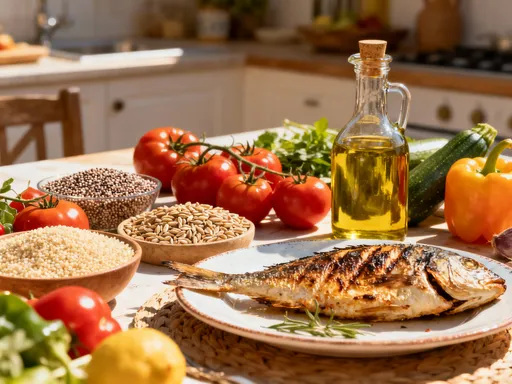
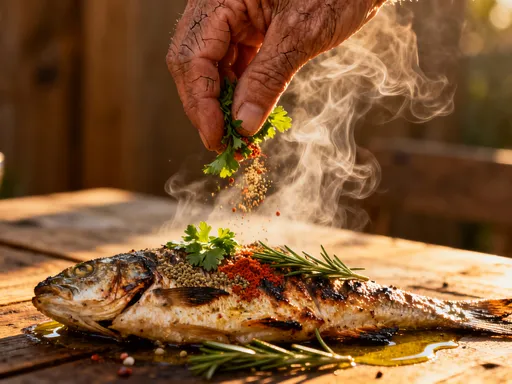
One of my favorite blends is what I call my “no-salt seasoning mix”: equal parts garlic powder, onion powder, smoked paprika, dried thyme, and black pepper. I keep a jar of it on the counter and use it on everything—roasted potatoes, grilled chicken, even popcorn. Another go-to is a citrus-herb rub: lemon zest, chopped rosemary, minced garlic, and a drizzle of olive oil. Rubbed on fish or chicken before baking, it creates a flavorful crust without any added sodium. The key is layering—adding herbs and spices at different stages of cooking to build complexity. Flavor isn’t an afterthought; it’s built in from the start.
Smart Swaps: Reimagining Everyday Food Combinations
Reducing salt wasn’t just about removing something—it was about replacing it with better choices. I began to think in terms of food pairings that deliver satisfaction through texture, richness, and balance. One of the most effective swaps was adding avocado to salads. Its creamy texture mimics the mouthfeel of dressings or cheese, making meals feel indulgent without sodium. I also discovered that mushrooms, especially cremini or shiitake, add a deep umami quality to sauces and stews. When sautéed with onions and garlic, they create a “meaty” flavor that stands in for salty bacon or soy sauce.
Another game-changer was combining legumes with whole grains. A bowl of brown rice with black beans, for example, provides complete protein and fiber, keeping me full and energized. The natural starchiness of beans and grains satisfies the craving for hearty, comforting food. I started using lentils in soups, chickpeas in grain bowls, and edamame in salads. These ingredients are naturally low in sodium, especially when cooked from dry, and they absorb flavors beautifully from herbs and spices.
Dairy alternatives also played a role. Instead of salty feta or Parmesan, I experimented with unsalted goat cheese or nutritional yeast. Nutritional yeast, in particular, has a cheesy, nutty flavor and is rich in B vitamins. A sprinkle over popcorn or roasted vegetables adds depth without sodium. For creaminess in sauces, I turned to tahini, Greek yogurt (low-sodium version), or blended silken tofu. These provide richness and body, replacing the role of butter or cream-based sauces that often come with hidden salt.
Snacks were another area for smart swaps. Instead of pretzels or chips, I reached for unsalted nuts, fresh fruit with nut butter, or cucumber slices with hummus. These options satisfy the urge to munch while supporting heart health. The goal wasn’t perfection—it was progress. Every swap that worked became a permanent part of my routine. Over time, these small changes added up to a way of eating that felt natural, not forced.
Hidden Salt Traps: Reading Labels and Cooking Mindfully
One of the biggest revelations in my low-salt journey was how much sodium hides in plain sight. I assumed I was safe if I didn’t use the salt shaker, but packaged foods told a different story. A single slice of whole wheat bread can contain 150 to 200 milligrams of sodium. A cup of canned soup often has over 800 mg—more than a third of the daily limit. Frozen meals, salad dressings, condiments like ketchup and soy sauce, and even some breakfast cereals are sodium bombs in disguise.
I started reading nutrition labels religiously. The key is to check the milligrams of sodium per serving and pay attention to serving size. Many packages contain multiple servings, so eating the whole container means doubling or tripling the sodium intake. I adopted a simple rule: if a product has more than 20% of the Daily Value for sodium per serving, I don’t buy it. I also learned to recognize red-flag ingredients: sodium benzoate, monosodium glutamate (MSG), disodium phosphate, and sodium nitrate. These are common preservatives and flavor enhancers in processed foods.
Cooking at home became my best defense. I began making my own broths and stocks using vegetables, herbs, and peppercorns, simmered for hours to extract flavor. I switched to low-sodium or no-salt-added canned tomatoes and rinsed beans thoroughly to remove excess sodium. For condiments, I made my own dressings with olive oil, vinegar, mustard, and herbs. A simple vinaigrette of lemon juice, Dijon mustard, garlic, and oregano became a staple.
Vinegar and citrus juices became my go-to for brightness. A splash of apple cider vinegar in soups or stews lifts the flavor, just as a squeeze of lime can transform a grain bowl. Fermented options like unsalted sauerkraut or kimchi (low-sodium version) add tang and probiotics without excess salt. The goal wasn’t to eliminate convenience entirely, but to make smarter choices. When I did buy prepared foods, I looked for “low-sodium,” “no-salt-added,” or “unsalted” labels. Over time, I built a list of trusted brands that aligned with my health goals.
Meal Flow: A Real-Day Blueprint for Balanced, Low-Salt Eating
Change sticks when it fits into real life. To make low-salt eating sustainable, I designed a flexible daily eating pattern that emphasizes whole foods, flavor, and satisfaction. Here’s a snapshot of a typical day in my kitchen—not rigid, but repeatable and nourishing.
Breakfast starts with steel-cut oats cooked in water or unsweetened almond milk. I stir in fresh berries, a handful of walnuts, and a sprinkle of cinnamon. The natural sweetness of the fruit eliminates the need for sugar, while the nuts add crunch and heart-healthy fats. Sometimes I top it with a spoonful of unsweetened applesauce and a dash of nutmeg. For variety, I’ll have a vegetable omelet made with spinach, mushrooms, and a touch of feta (in moderation), served with a slice of whole fruit.
Lunch is often a hearty grain bowl. I use quinoa, farro, or brown rice as a base, topped with roasted vegetables—sweet potatoes, bell peppers, zucchini, and red onions—tossed in olive oil and herbs. I add chickpeas or lentils for protein and a drizzle of tahini-lemon dressing. A sprinkle of fresh parsley or cilantro adds color and freshness. This meal is satisfying because of its mix of textures—creamy, chewy, crunchy—and its balance of fiber, protein, and healthy fats.
Snacks are strategic. In the mid-morning, I might have a small apple with a tablespoon of almond butter. In the afternoon, when salt cravings sometimes hit, I reach for cucumber sticks with hummus or a small handful of unsalted mixed nuts. These choices stabilize blood sugar and prevent overeating at meals. I’ve learned that dehydration can mimic hunger or salt cravings, so I always keep a glass of water nearby. Herbal teas, like peppermint or chamomile, also help curb the urge to snack.
Dinner is where flavor shines. I might bake salmon with a crust of Dijon mustard, lemon zest, and dill, served with roasted Brussels sprouts and mashed cauliflower. Or I’ll prepare a stir-fry with tofu, broccoli, and bell peppers in a sauce made from low-sodium tamari, rice vinegar, garlic, and ginger. Whole grains like barley or wild rice complete the plate. The key is variety—rotating proteins, vegetables, and grains to keep meals interesting. Dessert, when I have it, is simple: a baked pear with cinnamon or a small square of dark chocolate (70% cocoa or higher).
This daily flow isn’t about counting every milligram. It’s about building habits that support heart health while delivering pleasure. Meals are colorful, aromatic, and satisfying. They don’t feel like medicine—they feel like home cooking at its best.
Long-Term Wins: How My Body Responded and What Stuck
Nine months into this way of eating, the results speak for themselves. My blood pressure has stabilized at 120 over 80—well within the healthy range. I’ve reduced my reliance on medication, and my doctor has praised my progress. But the benefits go beyond numbers. I have more energy throughout the day. Headaches, which I used to dismiss as “just stress,” have nearly disappeared. I sleep better, wake up feeling lighter, and notice that my clothes fit more comfortably.
What’s most surprising is how much I enjoy eating now. I look forward to meals with genuine excitement. I’ve become more intuitive about hunger and fullness. I no longer eat out of boredom or habit. Food feels like a gift, not a battleground. Of course, there have been slip-ups. A restaurant meal with hidden salt, a moment of weakness with store-bought chips—these happen. But I’ve learned to respond with self-compassion, not guilt. Progress, not perfection, is the goal.
What stuck? The seasoning blends, the herb-infused oils, the habit of reading labels, the love of roasted vegetables. Most of all, the mindset shift: low-salt eating isn’t deprivation. It’s a recommitment to flavor, health, and well-being. It’s about making choices today that let you live fully tomorrow. If you’re facing a similar wake-up call, know this: you don’t have to choose between your heart and your taste buds. With smart swaps, mindful cooking, and a little patience, you can have both. Your body will thank you—and so will your dinner table.